The Circle of Life

I woke up Tuesday morning at the crack of dawn, as usual. The pale light was shining through the curtain cracks and the birds were chirping away in beautiful song. It was 6 am, and time to start the day. The breakfast was cooking (I could smell the hot cooked meal along with the freshly roasted java throughout the long corridor, entering my bunk room) and it was time to get up and ready for Day 2 at the nursing home. I knew they were waiting.

We loaded the van with the usual supplies and headed off to Hogar Jesus de los Manos, ready to practice our improved Spanish and see our new friends. We passed the twisty, serpentine roads once again, alive with chatter and laughter, and arrived at the gates ten minutes later.

As expected, there they were, all 32 residents lined up outside on their sunny terraces (save the gardener who was watering the plants, the man with dementia who was pacing up and down ranting loudly, unintelligibly to himself, and two others on “their final days” in bed). They were all smiles as they patiently awaiting our warm greetings and their eyes beamed with joy as soon as we grasped their hand to say buenos dias. It was if we had been friends all along, it was unbelievable and I realized just how hungry they were for our attention, care, and compassion.

The residents were not neglected at all and instead received an enormous amount of love and care from the small staff at Hogar Jesus de los Manos. Unfortunately being a non-profit meant there was not a lot of money to hire enough staff so the small staff in place worked long, hard hours for little pay. Yet each worker showed enormous compassion for the residents and knew their individuals quirks and needs. For example, Juan Pablo always sits out by the red bench next to Dona Maria each morning after breakfast, and Fernando sits next to Lilly each meal on the first table facing the entrance of the dining room. The staff had a huge capacity for remembering these tiny like idiosyncrasies which I found truly amazing.

Our plan of attack for day 2 was twofold: First we would work on planting new trees along the sidewalk and second we would entertain the residents with cards, coloring and the long-anticipated manicure and pedicures for the ladies. Eduardo dreamed of having a lovely, tree-lined sidewalk full of flowing eucalyptus trees that would beautify the courtyard and bring joy to the residents. Last year, a group of CCS volunteers planted small eucalyptus saplings and they had already grown six feet tall.
Insert: Here is a photo of the trees planted last year.

We were to plant four more saplings to hopes that they too would grow and help line the sidewalk. It wasn’t as easy as it looked. The ground was hard as a rock and we were thankful to have a young, strong male volunteer with us to help dig the holes. Cassiano was a wonderful man, mature well beyond his years, and a perfect gentleman. We dug the holes as deep as we could and Cassi did the rest.
Insert: Here is a picture of the saplings.
Insert: Here is a picture of us volunteers, dirty and happy after a hard days work.

While we were digging, we noticed the same old man dressed in long pants and sunhat out watering and tending the garden every day. He couldn’t speak but he would acknowledge our presence with a smile and he loved caring for that garden.
Insert: Here he is, tending the garden.

Eduardo was proud of the gardens. He knew the importance of nature and also responsibility. Having a garden that residents could tend, love, and care for was an important way that they could feel responsibility. Eduardo hoped that someday future volunteers could help plant a vegetable garden where the home could grow their own fresh produce. We started the digging but ran out of time since the work was extremely hard given our meager tools. The ground was much too hard and we needed better equipment. The vegetable garden would have to wait.

Insert: Here is a picture of how the garbage collection is done at the home. A local women brings her bull with a cart and all the leftover food is carried away and then composted. She lives a few blocks away and keeps her bull, goats, and chickens right her yard, a common practice in Costa Rica.

Our next piece of business for the day was “entertainment”. Some of the volunteers had stayed back from the manual labor and had interacted with the residents. We arrived to see them coloring out of children’s coloring books (one of their favorite activities), and making beaded necklaces. Some of the men were coloring too and others were outside playing ball. They all very lively and jovial. However, the real excitement came when we walked in as the ladies knew it was time for a visit to the spa!

We set up a table with different shades of nail polish-scarlet reds, bright pinks, sassy oranges, earthy browns-and then lined the waiting ladies up. They could hardly contain their joy and excitement at getting their nails done. Like most Latin cultures, female beauty is highly important and even these elderly women wanted to look beautiful. Given their arthritic hands and low dexterity painting nails was not an option for them. Thus getting their nails done by volunteers was a treat and a highlight of their day.

Not speaking much Spanish did not matter. It was the loving touch and delicate work on their old hands and toes that truly mattered. I loaded up my hands with lotion and gave their sore arms and hands a massage and they closed their eyes in relaxation. It was beautiful and nothing I say here can express how touching the experience it was. One woman, who everyone calls “La Princessa”, had been a real beauty in her days and was even beautiful now in her nineties. She always wore pink and always wore makeup and lipstick. She couldn’t speak anymore yet her pleasure at receiving a manicure was undeniable. I learned that morning that even small acts of kindness and love can make a difference and mean the world to someone else. It was a good lesson.

Central America Costa Rica SOCIAL GOOD TRAVEL TRAVEL BY REGION

Hogar Jesus de los Manos

We followed the windy, maze-like streets into Guadalupe Cartago leading up to our final destination, The Hogar Jesus de los Manos. Along the way, we chatted happily and the energy in the van was quite high. Everyone was excited and we all couldn’t wait to arrive. A new member of the Costa Rica CCS team had joined us, Santi, who was just as alive and cheerful as the volunteers. As the Program Assistant, Santi works hand and hand with Jose and typically accompanies the volunteers to the site each day. There are two other CCS volunteer sites in Costa Rica, in different areas of the country, so Jose cannot be with the Cartago group all the time. He frequently travels to the other offices to check up on the volunteers and see how they are doing. Santi was an equally knowledgable and compassionate replacement and we were delighted to have him with us and we especially enjoyed all his laughs.

Santi told us that the nursing home was created in 1992 as an NGO that provides loving care and assistance to abandoned and abused elderly Costa Ricans that have no family or other place to go. Like most Costa Ricans, the residents are highly catholic and their faith plays a large role in their life and viewpoints. We were also prepared with some details on the residents before we arrived. About half of them were disabled and in wheelchairs, a few were mentally incapacitated, and a few were on their “last days” as Santi put it. We had to prepare ourselves to deal with anything but most of all, to give compassion, understanding and companionship to them. They were desperately lonely and isolated despite the excellent care of the staff. They were craving attention, fun, entertainment and simply someone to talk to who would listen to their stories. That was all we had to do.

We pulled up to the big wrought-iron gate and Santi buzzed the security (something we were getting use to in Costa Rica). We waited anxiously for the gates to open and the van to be let in. From a distance, we could see them; all thirty-two residents lined up in chairs or wheelchairs along the outdoor terraces on the L-shaped building. They were there, just as anxious as us, awaiting our arrival. My stomach dropped and anxiety raced through my veins. They are waiting for us! I realized in shock and disbelief. Then fear set in. How would I relate to them? I barely even speak Spanish. I have no experience with the elderly save my 95-year-old Grandfather who was one-of-a-kind. And even more nervously I thought, What if they found me a nuisance. Someone who couldn’t speak a lick of their language, a privileged American who didn’t have a clue? Then what would I do? What would I do if I failed?

I didn’t have time to answer that thought because before I knew it the gates opened and in we walked. We were instantly met and greeted by Eduardo, the thirtyish-looking Director of the home. I could tell instantly that I would like him. He was confident, yet extremely humble and caring. He looked everyone in the eye when introduced and you could really tell that he gave a damn.

We didn’t have much if any time to prepare for our introductions to the residents who were all desperately awaiting our arrival. All 32 pairs of eyes were on us as we walked down the long corridor and one by one, were introduced to every single Abuela and Abuelo at Jesus de los Manos. Eduardo made the introductions, lovingly placing his hands on each resident’s back and bending inwards close so that they could hear him speak. It was amazing. The compassion. The warmth. The love. The respect that Eduardo showed these people was unbelievable. I was completely taken aback. This is a good place I realized, in awe.

Insert: Picture of the entrance of Hogar Jesus de los Manos

Picture of the long, L-shaped corridor, lined with outdoor terraces for the residents to enjoy nature.

I was also amazed and relieved to see how the residents reacted to our arrival. They were like little kids in a candy shop. The smiles, the boisterous talk and even the hugs of a few, made us all feel instantly welcomed and at home. I couldn’t believe how quickly they accepted us. They drank us up, every last drop, like an ice-cold drink on a summer hot day. Ok then, no worries about us not making any impact I instantly believed. It was going to be possible to make a difference.

After the introductions of each resident and staff member of the home, we moved on to a brief tour of the grounds and the home itself. The building wasn’t the least bit modern yet it wasn’t as rundown as I had imagined. Of course before you visit a place you, you always conjure up images and perceptions of what it is going to be like. Well, this place was only slightly what I had imagined. The rooms were fine; minimally furnished but clean. Each resident had their own space which was nice. There was a huge room used for entertainment (music, dance, birthdays, etc) and there was also another large room adjacent that was set up with card tables and chairs where the residents could do activities such as color, paint or socialize. In the corner of that room, there was equipment for physical therapy sessions as well. At the end of the L-shaped corridor was a large dining room lined with long tables and chairs. Finally, the upstairs of the building contained more bedrooms and an office space for the staff.

The best part of all about Hogar Jesus de los Manos was the location. The building was inside a walled-in lot set within the perfectly, lush and serene Central Valley. Nature surrounded you once you were outside, which explains why the residents spent much of their day outdoors on the terrace relaxing in the sun and gentle breeze. View of the green-blue mountains could be seen in the distance and the far end of the courtyard contained a large garden where residents could grow and tend plants and flowers. It was lovely and so incredibly peaceful. A perfect place to age (if there can be one).

After our tour, Eduardo spent a short amount of time listing the objectives for the week. The most important thing we could help with was the residents. Since the Jesus de los Manos was a non-profit organization, its funds were very limited meaning they had an extremely small staff for all the residents. Just taking care of the residents required almost all their time so unfortunately the residents often got a bit bored and depressed. That was where the CCS volunteers as well as other volunteer organizations could help. They could entertain the residents. Talk to them. Play ball with them (yes, just like the ball I play with my young children; tossing a ball back and forth). Color pictures with them. Make jewelry or art with them. And for the ladies, give them manicures and pedicures! (Yes beauty is very important in Costa Rica and the women absolutely loved having their nails done!).

Eduardo decided to split up the volunteers into two groups: One group would work with the residents and the other group would work on the grounds. They desperately needed some gardening and planting to be done in order to beautify the landscape. I chose the path of least residence, perhaps, for the first day and opted to do the dirty work: Gardening. We dug out weeds, planting flowers and tried to straighten things out in a garden that probably had not been touched in weeks. Some of the residents adore gardening yet needed help with it. That was where we stepped in to help their aging, arthritic hands to tend to the garden. It was a relaxing way to spend the first morning. Outside, with the gentle breeze coming off the mountains and touching my face. With a few, attentive residents smiling at everything we said (which they probably couldn’t understand). But sometimes smiles and gestures can mean much more than words, I discovered. Another thing I enjoyed that morning was one resident, an elderly man perhaps in his eighties, especially enjoyed to water the garden. He spent hours watering the flowers and tending to the garden, never saying a word but with a smile in his eyes. He wore a white floppy hat, long-gray pants and a red sweater, and every morning when we arrived, he was out tending the garden. It was quite special.

Insert: Photos of the garden and my favorite gardener:

The morning passed quickly and before I knew it, we said our goodbyes to our newly made friends and were loaded up in the vans. We heard the distant protests from some of the residents not wanting us to leave yet but they understood we’d be back tomorrow morning. We heard from Eduardo that day two was going to involve some other activities. Rumor had it that the ladies wanted a special treat. They wanted manicures and pedicures. They wanted to look “pretty” and feel young. The men, meanwhile, were looking forward to playing more ball and perhaps having a dance with the female volunteers. Once a man, always a man.

Central America Costa Rica SOCIAL GOOD TRAVEL TRAVEL BY REGION Volunteering Abroad

The Midnight Arrivals

I had slowly drifted off to a deep sleep, thanks to the cold medicine, and was out cold when I heard the gate buzz. It was pitch black in my spartanly furnished bunk room save the pale, low light shining in through the cracks of the open windows. It was so quiet that you could hear a pin drop making the opening of the gates sound like the crashing sounds of the weekly garbage collection. I pushed the light button on my watch and it flashed the time of 12:15 am. Judging by the noise and commotion, our three other volunteers from Atlanta had finally arrived. Of course I was happy they arrived safe and sound yet slightly unhappy about the fact that I most likely wouldn’t be able to fall back asleep again for hours. Unfortunately sleeping in new environments is not my forte thus I usually have trouble when I travel. That is where a good pair of ear plugs, an eye cover and a sleep aid come in handy.

Everyone was woken up and went out to meet the new arrivals: Beverly, Ophelia and Jo, all from “hot Lanta”. They were a gregarious, loud, cheerful group of ladies that came from the most opposite walk of life as could be. I had never met a Southern Baptist before and now I would have the opportunity to meet three! It was going to be interesting to see how their faith played a role in the volunteer experience as well as being in Costa Rica during the most religious week of the year. I realized that I would be exposed to a lot more culture this week than originally planned.

I woke up Monday morning around 6am as the sun slowly began to rise over the Central Valley. I could hear birds singing cheerfully, something I had dearly missed over our long Minnesotan winter. I laid in bed for a few minutes enjoying the beauty of the birds’s music and also trying to access how I felt. Tired, disoriented and still sick. Bummer. I truly didn’t want to infect any of the nursing home residents (luckily I packed plenty of Purell!) The smell of freshly cooked eggs found it’s way along the long narrow corridor and filled the rooms, making my stomach grumble. It was the first day of our volunteer work and I was looking forward to it.

One by one, the other volunteers began to rise and the once quiet Home Base came to life with movement and noise. Excitement was in the air about our new arrivals and the start of our work at our volunteer site. We did not have much information on the nursing home, just that it was located here in Cartago, not far from the Home Base and had about 40 residents, all abandoned abuelas and abuelos (grandmothers and grandfathers). To most Americans, nursing homes are a fact of life and perhaps the most common route for the elderly. In Costa Rica, however, the entire family structure is much different. Generations of families live together. Adult children are responsible for taking care of their parents as they enter the twilight years of their life. Thus most grandparents live at home with their children and grandchildren all under one roof. This is customary so you can imagine the stigma on the elderly people who are abandoned from their family and have no place to go. Hogar de los Monos de Jesus Nursing Home was established as a place for these kinds of people to live and be cared for in a loving, faithful manner. The residents had no family to visit them. They only had the staff and each other. That was why the volunteers were so important. Besides helping with various odds and ends around the nursing home, the main duty of the volunteers was to interact with the residents and entertain them. As we would learn, this was by far the most important gift we could give: Friendship, Companionship, Compassion and Love. This was how we would make a difference in only one week. Something that seemed impossible but was within our grasp.

Allan, our driver, pulled the van up outside the Home Base at 8 am. Jose told us to gather up a big sack full of supplies to bring to the nursing home so we loaded in markers, colored paper, balloons, beauty products (for the ladies), books, music and other miscellaneous items. We were all dressed in t-shirts and long pants, the uniform required for working in Costa Rica. Shorts or short skirts were not permitted nor were tank tops or flip-flops. We had to remember that Cartago was a very Catholic place and the nursing home was religious-based meaning we were expected to dress conservatively. I was curious to see what the nursing home would be like and had very mixed feelings about the placement. Would it be depressing? Would it be hard? Would I feel like we were having any kind of impact on the residents? Would we be able to make a difference in only a week? These were all thoughts that raced through my mind as we winded around the narrow, serpentine streets of central Cartago.

Here are some photos of the CCS Home Base:

Inside the building, the long corridor lined with lounge chairs for reading and relaxing:

Inside the entrance to the Home Base:

One of my favorite things about the inside of the Home Base, all the wonderfully, inspiring quote written by past volunteers. Each volunteer wrote a quote and added a handprint to the wall before they left Cartago. I could spend hours walking around and reading them. Here are a few of my favorites:

Central America Costa Rica SOCIAL GOOD TRAVEL TRAVEL BY REGION Volunteering Abroad

In Walks Seven Strangers

I arrived at the airport by 2 PM and headed to the specified meeting point outside the arrivals gate, the blue phone. I felt a little jittery not knowing what to expect. All I knew was that there were going to be a total of eight volunteers on my program, none of whom I knew. Three women from Atlanta, two women from California (southern and northern), one woman from NYC, one young man from Miami and last but not least, myself. From our brief conference call two days before I left, I gathered that it was a diverse group and that somehow I fit in the middle geographically and demographically. It was going to be an interesting mix, that was for sure.

I was told to wear my navy blue CCS t-shirt stating loud and clear “Cross-Cultural Solutions International Volunteer” in big, chalky white letters but I chose not to. I wanted to blend in, not stand out. Plus I knew I’d find them, all standing there by the blue phone wearing the navy blue “International Volunteer” shirts.

I looked around, found the phone, but saw no navy blue t-shirt volunteers. I checked my notes. I was in the right place. I waited for a few moments in the hot sun, watched the chaos of the airport drop off scene in a third-world country (no need to say more) and finally got the nerve to test out my Spanish again and ask someone. Si, señorita (what an honor to be called that instead of señora!), I know who you mean. Follow me, the nice young Tico said. And he lead me to the CCS driver, Allan who brought me over to the big, green CCS van which said loud and clear Voluntariado Internacional in yellow and black, standout letters.

I got in the van and four others were already inside: Elena, a twenty-six-year-old from NYC, Brooke also in her mid-twenties from Southern California, Lindsey, a fun-loving adventurous young woman freshly out of school and from the Bay Area and finally Cassiano, our youngest volunteer who was finishing up his senior year in High School and from Miami. I was the oldest of the group, married and with two young children. Yet, I knew that there were three more ladies from Atlanta who were older than me and arriving that night. Thus I fit right smack in the middle, just like where I lived….the Midwest.

Our volunteer placement was located in the provincial city of Cartago, a sleepy, tourist free, laid back town, located about 14 miles (23 km) southeast of San Jose. Cartago is not a main tourist destination as there is nothing there to really see except for the divine Basilica de Nuestra Senora de los Angeles, which brings in pilgrimages from all over Central America. However, Cartago has a very long, important history and significance to the Ticos because it was founded in 1563 as the original capital of Costa Rica. Cartago remained the capital for 260 years until Costa Rica won independence from Spain in 1821 and the capital was moved to San Jose. Today, Cartago is a quiet town of about 145,000 residents that is surrounded by rich, fertile farmland and the lush Irazu Volcano National Park. Despite all its beauty and appearance of high living standards, like other Costa Rican cities Cartago finds itself a place of complexity and contrasts. Many people there live a relatively comfortable, happy life however there are plenty of “have nots” who are lack education, jobs and money to provide for their families. These inequities have lead to an increase in prostitution, alcoholism, domestic violence, and removal of children from homes—-big social issues to tackle for such a Catholic country who is one of the leaders in Central America. The downturn in tourism has also greatly impacted the people of Costa Rica since many businesses and people rely on tourism for their main income. This has had a trickle effect for the people of Cartago who are even less tourist-based that the resort towns.

The trip from the airport took about 45 minutes, passing through a few towns until we finally reached the outskirts of Cartago, a multitude of windy, maze-like streets. The four strangers and I freely chatted away, comparing notes about our lives and hopes of our experience in Costa Rica. My anxiety dissipated as I quickly realized that these people, although we were all different, were somehow the same in a sense. We all love adventure, love travel and wanted to somehow try to make a difference in the world. That realization somehow made everyone at ease and the 45-minute ride passed us quickly by.

We arrived at the CCS Home Base (an old school converted into accommodations for the volunteers) and parked outside the heavy wire gates of the entrance. We couldn’t see into the building so it was hard to guess what it was like inside. Would it be livable for a week? was a question on everyone’s mind. What was the neighborhood like? another question we all wanted to desperately ask since there was no sign of life on our street: no people out walking, no stores, no restaurants, no bars….nothing, except houses hidden behind gates.

The driver rang the security buzzer and the gates slowly clanged open into the hidden courtyard of the building. Like many buildings in Costa Rica, they are completely enclosed from the outside with heavy gates and walls offering protection from the dangers of the outside world. Crime, especially petty theft and break-ins is rampant, so sadly most Ticos live in a prison-like fortress, equipped with gates, barbed wire fences, security and alarm systems. From the outside, you would never guess that people actually live inside and that there actually is a sun-filled, beautiful, peaceful courtyard inside. It is quite a strange cultural difference for a Midwestern gal who grew up rarely locking her front door. But this is a sad reality of life in Costa Rica as well as many other parts of Central America, that was important to see.

Once inside, we were welcomed by Jose, the Country Director for CCS as well as the rest of the staff, Lucy the Office Assistant, Olga and Ana the cooks, and Santiago and Oscar the security guards who maned the fort from sunset to sunrise. Everyone seemed extremely nice, sunny and laid-back, encompassing the true Tico cultural identity.

The CCS Home Base would be our home away from home while we were in Costa Rica. We would eat there, sleep there, and spend our free time at nights there (since apparently it was not recommended to leave alone at night especially without a male companion which there was only one out of all seven of us volunteers….this was something new for me which I will comment on more later!). The Home Base had seven rooms containing 6-8 bunk beds each meaning CCS could accommodate up to 40 volunteers. Since there were only eight of us total, I shared a large room of bunks with only one other volunteer. The others were equally lucky.

The Home Base also contained a large dining area, a gathering/living room, one male and one female bathroom with hot showers, and an long, open chair-lined courtyard for relaxing and reading. It was a nice, homey place and I knew that I would feel comfortable there for my week’s stay (except maybe for the lizards running across the bathroom floor or the Costa Rican spiders climbing on the walls….a norm for anyone living in Costa Rica).

After settling in, we had our first homemade Costa Rican meal and let me tell you, it was absolutely delicious. Everything of course was made from scratch. The arroz con frijoles, the yucca-based casseroles, the dripping, juicy papaya salads and the fresh, soft breads. I was in heaven and would be extremely well-fed for an entire week.

After stuffing our bellies, it was time for our first CCS Cultural training session given by Jose, the Country Director. Part of the appeal of volunteering with CCS is that they combine volunteerism with cultural learning and exchange. Thus, the morning part of the day is spent volunteering and the afternoon is spent doing a variety of cultural learning and training sessions such as Spanish language courses, Latin Dance classes, Latin cooking classes, city tour, and visit to a nearby volcano and national park. Although the schedule was crammed and we were busy every second of the day, it was the most intense, learning experience I’ve ever had and I wouldn’t have changed a thing.

For the next hour and a half, Jose highlighted the political, historical and cultural nature of Costa Rica. It was fascinating even though we were all exhausted and stuffed! We learned about some of the main problems in Costa Rica such as illegal immigration from their poorer neighbors, sex trafficking in the resort towns, poverty, alcoholism, domestic violence, and hopes for a better future. I felt like I was back in school again! I love to learn and especially enjoy hearing what is going on firsthand from a native.

We went over the schedule for the week and then around ten o’clock headed off to sleep. The three other volunteers from Atlanta had yet to arrive (their plane got delayed) and we had to wake up at 6am to start our day. Rumor had it that the three other volunteers were all Southern Baptists (one even a preacher!) so I was extremely interested in meeting them. The next day was going to be a treat!

In Cartago, the road leading up to the CCS Home Base:

The gates of the CCS Home Base and our van:

Central America Costa Rica TRAVEL TRAVEL BY REGION

Fireworks at Noon

I woke up Sunday morning feeling well-rested but still like my head was a giant, overly inflated balloon.  It wasn’t so much that I minded being so sick (yes it isn’t pleasant to feel like your head is going to explode but after ten days at home in bed trying to get rid of it to no avail, what was a worn-down Minnesota Mom of two, misbehaving kids to do?).  It was the thought of passing my nasty bug on to the elderly abuelas and abuelos at the nursing home that really concerned me.  I’ve become quite aware that the elderly do not have anywhere near the same immune system as younger people do so infecting them with a virulent virus was not something I wanted to do.  Thankfully I packed lots of Purell and intended to soak my hands in the antibacterial slimy gel as often as I could.  Cough in your elbow, not your hand, I reminded myself.  Don’t forget to wash your hands!  Oh the mother in me was coming out! 

The Hotel Presidente has a fantastic cafe that opens up onto the main pedestrian street, Avenida Central  and is attached to the bar I visited the previous night to calm my nerves before bed.  It was eight am and a glorious morning.  The Costa Rican sun shone brightly, lighting up the sky, and my pale, vitamin D deficient skin drank up its magnificent rays like a dehydrated child. Ahhhh….at last! 

I found a wonderful table on the terrace which afforded a perfect people-watching view of the main drag.  I ordered my first highly anticipated cup of Costa Rican java and was not the least bit disappointed in its velvety, rich, deeply satisfying taste.  As a coffee lover, I knew that I’d be in paradise for the next week enjoying some of the best coffee in the world. (I must secretly admit that even today I still order my coffee direct from Costa Rica.  It actually turns out to be a cheaper way of supporting my habit as the cost per pound is less than anything I can buy in the States or at least anything that is drinkable!  Try for yourself:  www.cafebritt.cr). 

The waiter brought me a plate and I helped myself to the buffet where I ordered my very own omelette from the happy smiling egg cooker and passed on the fruit (I didn’t want to take any chances of getting Montezuma’s Revenge and was warned not to eat fruit or uncooked vegetables.  Unfortunately my discretion only last a day and I found out the hard way why you should definitely NOT eat those gorgeous, juicy, delicious papaya).  The food was surprisingly good and I used my breakfast time to page through the guide book for some ideas how to spend the day.  It felt strange to be all alone, in a foreign country.  I hadn’t traveled solo abroad since my twenties and now in my late thirties it was a different experience.  I wasn’t a spring chicken anymore nor did I like to drink myself silly staying in youth hostels.  I was a mother for God’s sake, with responsibility!  I wasn’t quite sure what to expect.

Thankfully, I seem to have an approachable, Minnesota nice (I don’t bite!) demeanor and seem to meet friends everywhere, almost to the point of ridicule by friends and family.   I struck up a conversation with the couple next to me and discovered that there was much to learn and see in Costa Rica.   In my opinion, meeting new, interesting people from all walks of life is part of the thrill and adventure of traveling.  Sharing the world and what you have found with others, even strangers, is half the reward and you can often learn a lot. 

I took their advice and set off for my day exploring San Jose, alone and not the least bit alarmed.  I took a deep breath, left the comforts of the hotel, and made a left on Avenida Central, the main drag, to began my exploration of the city.  It was a Sunday morning, and the streets were beaming with life.  Shops selling cheap clothing lined the street as well as fast-food restaurants (yes I even saw a KFC and of course McDonalds…just like North America) and loads of electronic stores jam-packed with well, electronics.  I instantly felt safe.  No one stared at the middle age blond-hair gringa.  In fact, no one even seemed to notice I was there so I was able to walk freely and leisurely allowing me to take it all in. 

I was about two or three blocks away from the hotel when I first heard the sounds and nearly dropped to the ground.  BANG BANG BOOM BOOM!!!  The loud, frightening sounds pounded the bright blue sky like thunder, like death.  I practically had a heart attack and felt all the hair on my skin raise in fear.  Trying not to panic, I looked around at the actors in the play (well, really the people on the streets that I had been secretly watching behind my dark shades).  No one stopped.  No one panicked.  No one seemed to even notice or hear the bangs.  It was like nothing out of the ordinary so at this point I was utterly confused.  What in God’s name was that noise? !  It sure sounded like gun fire.  Yet no one seemed to even notice.  Hmmm….

Another block later, as I nervously crossed the street, I happened to have that “ah ha” moment.  Had I visited a Latin country before I would have known what it was:  Fireworks!  Yes, fireworks were being light off and shot smack during the middle of the day.  And why I wondered?  It didn’t seem to make any sense.

 Then I saw it.  The large, colonial Catholic church and the masses and masses of people marching down the street in a religious procession carrying palms and some kind of burning incense that smoked the bright blue sky.  It finally dawned on me that it wasn’t just any Sunday.  It was Palm Sunday, which jumped off the start of Holy Week or Semana Santa, an entire week of processions, religious festivities and celebrations.  Ticos are CRAZY about Holy Week.  It is the biggest, most important holiday and religious week in all of Costa Rica, a country in which is almost 90% Catholic (aka very religious people) and I was about to discover firsthand how important Catholicism is to the Costa Rican people.  

I watched the procession trying to understand what they were saying and doing.  I practically kicked myself for not knowing more about Catholicism.  Yes, like many Midwestern Americans, I went to church every Sunday as a child yet even to this day must admit that I quite frankly don’t understand what a lot of religious rituals mean.  Oh well.  I’d have time to learn.  I was in a very Catholic country for an entire week, during one of the most important weeks of the year.  I was bound to find out!

 I spent the rest of my morning exploring some of the important cultural and historical landmarks in San Jose such as the splendid Teatro Nacional and the fascinating Museo del Oro Precolombino which is loaded with over 1,600 gold artifacts dating from 500 to 1500 AD and also has exhibits on the native culture before the invasion of the gold-greedy conquistadors in 1506 thanks to Christopher Columbus.  Although there is much more to see in San Jose, a city that is often overlooked and used as a launching off pad for the rest of the country, I unfortunately didn’t have the time.  I had to be back at the airport by early afternoon to meet my fellow volunteers and representatives from CCS (Cross-Cultural Solutions, my volunteer organization). 

While wandering about, one thing that I instantly noticed is the insane difficulty in finding your way around.  In Costa Rica, actual street addresses are seldom if ever used making finding a location equivalent to trying to following a treasure map in Arabic!   For example, most addresses are given like some kind of secret map code:  Our hotel can be found on the northeast side of Calle 3, between Avenidas Central and 1.  If they really want to mess with you or spice things up, they will even throw in some crazy landmarks and add the metric system to the equation (a DISASTER for us Americans who don’t know how to use the metric system!).  Here is an example:  This restaurant can be found by following Avenida Central 100 m. to the intersection of Calle Rose and Avenida 9.  Then take a left, head 250 m straight to the yellow house.  Turn right, etc etc).  For a barely speaking Spanish foreigner, finding an address in Costa Rica is completely by chance and for my first day in the country, I wasn’t going to find out the hard way.  I explored only a few main avendias, the main arteries of the city, and prayed I wouldn’t wind up lost.  It was almost two o’clock and time to head to the airport.   After a quick delightful gelato, I was back in the cab, striking up a half Spanish half I don’t know what conversation with the driver and was on my way.  I was looking forward to starting the volunteer experience which was the main reason why I was in Costa Rica.  Judging how interesting my morning went, I was confident that the rest of the week would be quite an adventure.  I also could not believe my luck at being there during one of the most important weeks of the year.  I was certain it would be a fascinating week, full of cultural learning and mishaps. 

Downtown San Jose, Main drag, where the walk began :

As I walked further, a little more Latin charm:

 National Theater:

Loaded of course with pigeons:

A sad sign of America….Ticos love their junkie fast food:

 And they also love Holy Week….here I witness a procession and prayer session:

 After the loud BOOM BOOM sound of the fireworks at noon, I finally found the source:  A Palm Sunday celebration and procession at one of the many Catholic churches in San Jose:

 Outside the church, the people begin to amass:

 Inside the church, beauty and peace at last:

Central America Costa Rica TRAVEL TRAVEL BY REGION

Dancing in the Sky

The flight began it’s approach into San Jose International Airport and my palms began to sweat in anticipation. Instead of seeing the lush vibrant green landscape that I had heard so much about before coming, the sky was dark save the thousand twinkling lights of the city below. I couldn’t wait to be on the ground! I was utterly exhausted from my cold and the pressure of the descent wreaked havoc on my eardrums. But despite it all, I was excited to finally be here in Costa Rica, a place I’ve wanted to visit for a long time.

I gathered my belongings, headed through customs and entered into the Arrivals lounge into a sea of black heads holding hundreds of white signs listing names of the passengers whom they’ve come to greet. I also find the Arrivals area in another country to be quite a stressful, disorderly place. You walk through the glass doors and there you are, voila, surrounded by hundreds of smiling, shouting people waving big white signs in your face. It is overwhelming to say the least. Especially when you are tired or jet-lagged (which I was not given only a two hour time change and a relatively short flight from Minneapolis).

I searched the eager faces, desperately hoping he was there. Then I found him, smiling and holding a sign that said Mrs. Melancon (so formal!) and was relieved that my driver had come. You never know for sure when corresponding and organizing all your travel details via email. Especially when there is a language barrier involved. Yet I was glad he was there to take me to my hotel. The last thing I wanted to do was have to haggle with an unknown driver in a language I wasn’t all that red hot at. Furthermore, it was almost nine o’clock and I was ready to relax.

The driver grabbed my bags, packed them inside the small, old sedan and sped off towards downtown San Jose. It was Saturday night and the city was incredibly alive. People were out, everywhere, walking down the streets, driving in cars, and going out to eat. I could feel the energy pull me in and instantly felt happy. It had been such a long cold winter!

My driver didn’t speak a lick of English yet that didn’t seem to faze him one bit. He talked boisterously and rapidly to me the entire ride, and was delighted by my second grade level Spanish. In fact, he encouraged it which was a relief and helped me let down my guard so I wasn’t so afraid of making my many mistakes. Somehow, like magic we managed to communicate and before I knew it, we were at my hotel, El Presidente, located right on the main drag. Gracias, I said cheerfully, glad that he got me there safe and sound and also put up with my terrible Spanish. I secretly cursed myself for majoring in French! The Ticos, as Costa Rican people are called, seemed extremely cool, gregarious people that I definitely wanted to get to know. It would have helped if I could communicate better in Spanish but I hoped that after a week long immersion, I would somehow become more proficient.

The hotel was large and quite modern. I had no idea at all what to expect so I was quite pleased to be in a clean, comfortable, safe place. The staff was overwhelmingly friendly and welcomed me with smiles. Despite my pounding sinus headache and sore throat, I had to get a drink before bed. I knew there was no way I could sleep so soon after arriving into a new country. Fortunately the hotel has a nice gringo bar that opens up onto the street, which enabled me, a blond American woman traveling solo, to have herself a glass of ice cold Sav Blanc and watch the world go by on a Saturday night. I was amazed by the people out on the streets. I had heard several times that San Jose can be dangerous, especially for foreign women and especially at night. The hotel staff reminded me gently to not leave the hotel at night alone. Period. Of course I didn’t. Thus finding the gringo bar was the perfect opportunity to explore my surroundings all under the comforts and safety of the hotel. Tomorrow I had the entire day to explore the city and I would talk with the front desk about where to go. I couldn’t wait to see for myself what all the fuss and fascination is about with Costa Rica. And, tomorrow was the day!

Central America Costa Rica SOCIAL GOOD TRAVEL TRAVEL BY REGION

Pura Vida Costa Rica!

It was finally nearing the end of Minnesota’s infamous brutally cold, never-ending winters.  Winter has never been my cup of tea.  It is two things:  Too cold and too long.     Sometimes winter can last almost six full months making it hard to believe that anyone would ever choose to live here.  Yet, somehow, like other hearty Midwesterners, I manage to survive.    

Spring does not arrive until late April or early May.  Usually we would get a few teaser days when the temperature is well above average, and everyone is out and about enjoying the weather.  The lakes start to thaw, the birds reappear, and the snow slowly begins to melt making messy, splashy puddles everywhere.  But before you know it, winter magically reappears and people return to their long, lonely hibernation.  The winter-spring dance normally goes on for weeks until the ice on the lakes finally breaks free, the vibrant green buds burst into leaves and people actually come out of their homes.  It feels like some kind of strange, yet predictable rebirth as life once again returns to Minnesota. 

It is usually around this time of year, in mid-to-late March, that every sane Minnesotan is beyond stir crazy and is desperately seeking sun and sand.  Airplanes become packed with pasty, white, hearty Minnesotans heading south.  Schools close.  Homes become empty and there is no one around.  Many prefer to vacation in Florida or some other tropical paradise far away from anything white and cold.  Others prefer heading south of the border to some luxurious or cheap beachfront hotel in Mexico. 

For me, it was something similar yet different as well.  Like many others, I was also headed south, too, where I would happily be wearing my sandals and t-shirts that had been tucked away for months.  I was going to Costa Rica, but not to sit a beautiful beach and drink every worry in my life away.  I was going on a different kind of vacation.  A volunteer vacation. 

Volunteer vacation?  What in the heck is that?  friends asked, wondering how on earth the two words could go hand and hand.  Was it some kind of mid-life crisis?  friends secretly wondered.  Or some kind of “desperate housewife” kind of deal?  Was she going mad?  Although they didn’t exactly ask me these questions, their confused, bewildered faces clearly indicated what they were thinking.  They didn’t understand me.  They didn’t travel.  Well, at least they didn’t travel to the places I wanted to go.  And, that was the problem.   Even my own mother found the idea strange. 

So, why did I decide to leave my husband and two young children behind for a week and volunteer in Costa Rica?  Perhaps it was a little of all the above….mid-life crisis, desperate housewife, mad or so on.  But the real reason behind my decision was simply because I wanted to.   I had always wanted to. 

Ten years ago I saw the article on global volunteering and read it with high hopes that someday I’d be able to do the same.  The stories all sounded amazing:  Working in orphanages in Romania, teaching English in Tanzania, building a school in Peru.  Experiences that would last a lifetime, and would make you feel like you were doing something great in the world, not just earning a meager paycheck or climbing the corporate ladder.  I dreamed of someday volunteering abroad but I knew that it was impossible at that point in my life.  I clipped the article, kept it in my file cabinet, hidden away for years, hoping someday I’d be able to do it.  The path I was following in my life was typical for a young, college-educated American girl:  Work, building a career, marriage, and then finally kids.  I continued to travel internationally throughout the years with my boyfriend, then fiancé, then husband, but due to the pure lack of American vacation,  I never did a volunteer trip (vacation was only two weeks per year given at start of a job and taking more than a week off at once was highly frowned upon—those lucky Europeans!).  It was only when I had my children, they grew a little bit older (well, 3 and 5) and more manageable, that somehow or another I was able to pursue my dream of volunteering abroad.  My husband knew how badly I wanted to do it so he miraculously gave me the green light.  He would take the kids to see his parents in Virginia over spring break allowing me to travel to Costa Rica to volunteer. 

So, after ten long years of hoping and waiting, I finally found myself seated in coach on an American Airlines flight headed off to Costa Rica.  It was the last week of March which was the perfect time to leave.  All my love for Minnesota had dried up long ago and I was looking forward to seeing the color green once again, which had been absent for months.   I had never been past Mexico so Central America would be an entirely new place for me to visit.  I was extremely excited albeit a little nervous as well.  I was traveling alone and would be staying with seven other volunteers (strangers) for the next week, working together.  Who were they?  What would they be like?  What if I hated the experience? Worse yet, what if I never got over my miserable cold and remain sick in bed the whole time?   All these questions racked my brain, making me feel even more anxious than before. 

The one thing I kept reminding myself was the last words I heard before leaving the States:  Go with an Open Mind.  That was the one final piece of advice our program manager from Cross-Cultural Solutions (CCS) said before ending our volunteer conference call.  Those were also the words I kept reminding myself of over and over again when I learned what our volunteer experience would be.  Keep an Open Mind.  There are several volunteer opportunities planned at each site, however, due to the short length of our trip, volunteers going on the one-week “Insight” volunteer program typically do not find out what they are going to be doing until two weeks before departure.  This way CCS can ensure that the project or work can be completed in a week making the experience more worthwhile.  Thus when you sign up for a program with CCS, you are taking a leap of faith not knowing exactly what you will be doing but having an idea that it may involve one of the following opportunities:  Working with kids at an orphanage, teaching English to children or adults, working at a hospital or place for disabled children, or working at a nursing home. 

I was fine with all the potential volunteer opportunities except one:   Working at a nursing home.  I didn’t want to admit it but working at a nursing home seemed like the most depressing experience possible.  In fact, it scared me.  I didn’t like being around elderly people in wheelchairs, watching them wither away and revert to their infancy.  I’m not a religious person either so death scared me.  My only experiences with nursing homes had been negative.  When I was a girl, I was on a dance team who used to perform on Saturdays at the local nursing homes, trying to cheer the white-haired residents up.  It was horrifying.  Then, in my twenties I watched both of my grandparents die in dark, lonely nursing homes.  The experience was always the same.  Depressing.  So I secretly hoped that I would get any other assignment than that. 

Our program manager at CCS must have known that working at the nursing home was probably at the bottom of most volunteers list.  So she spent time setting it all up, emphasizing that before she told us what our volunteer work was going to be, that she wanted us to keep an open mind.  (Third eye, right?).  Those words sent chills through my bones because before she even said it, I knew.  We were getting the nursing home. 

When I told my family and friends that I had received my placement and would be working at a local nursing home for abandoned abuelas and abuelos (Grandmothers and Grandfathers), I tried to sound as upbeat as possible.  It would be great, I said a little too enthusiastically.  But I had my doubts. 

When I arrived in Costa Rica, one of the first and most important things I learned was the importance of the words:  Pura Vida, which literally means “pure life” or “full of life”.  However, the words have a much deeper meaning and can be used to describe a peaceful, tranquil life free from impurities. 

For the Costa Ricans, pura vida means everything and is truly their raison d’être.   At first I was surprised to learn how frequently pura vida is used in every day conversation.  It is used for both a greeting and a farewell, to express joie de vivre or simple satisfaction, to offer a difference of opinion or an agreement, or just to say “cool”.  How could one simple phrase mean so much and so many different things? I wondered in awe and mystery.  During a week long stint volunteering and living with the locals in Costa Rica, I was about to find out. 

Central America Costa Rica SOCIAL GOOD TRAVEL TRAVEL BY REGION

Final Thoughts: A Trip to Remember

I arrived home in one piece, thankful to be safe and sound and home with my family.  After the hugs and kisses from my two young children, my mother and my wonderful husband who allowed me to leave him for 17 long days half way around the world, I unpacked my suitcases and tried to settle back in to life at home.  For some reason, I found it hard to readjust.   Everything back home seemed so over the top.  The house felt too big, my closets of cloths felt too large, the cupboards of food felt too full.  The house felt claustrophobically full of too much stuff.  Too many things.  Guilt and shame spread throughout my body like a chill.  How could life here be so incredibly different than in Nepal?  How could we have so much, too much, when people in Nepal live happily and peacefully with nothing.  It didn’t make sense. 

I realized immediately that I was going through a reverse culture shock similar to what I had experienced after returning home after eight months living in France.  But this time it was different.  This time it motivated me and inspired me to do something about it.  I had changed, that is for sure.  Now it was time to do something about it.   

Over the last few months I’ve been in contact with HANDS IN NEPAL and other non-profit organizations in hope to someday help make a difference.  It is hard to say right now exactly what I’ll be able to do and when, but I’ve promised myself that I’ll do something whether it be fundraising for a school in Nepal or even volunteering there in the future.

For now, I try to keep myself abreast of news in Nepal by following the news, keeping in touch with Hari and reading books on Nepal.  I recently picked up a book titled “Little Princes” by Conor Grennan, which is a phenomenal, highly inspirational read about a young, American man’s attempt to find the families of trafficked children in Nepal.  It is an unbelievable story and beautifully written.  Proceeds of the book sales go to the non-profit organization that Conor started called Next Generation Nepal (NGN) (www.nextgenerationnepal.org).  I highly recommend reading this book!  Here is a link to the review on Amazon.com:

http://www.amazon.com/Little-Princes-Promise-Bring-Children/dp/0061930059

————————————————————————————————————————–

Now that I am finished telling my travel stories of Nepal, I am next moving on to the other part of the globe, Central America, to discuss my recent volunteer trip to Costa Rica, another highly inspirational experience that taught me a lot.  I hope you enjoyed my Nepal entries and look forward to writing about Costa Rica!  Pura Vida!

Global Issues Nepal SOCIAL GOOD TRAVEL BY REGION

Delhi Belly

We arrived at the airport in Delhi, utterly exhausted, around 8:30 PM.  The supposedly two hour drive from Agra to Delhi, wound up taking over five long, brutal hours.  I wasn’t surprised.  Nothing surprised me anymore about India. 

We paid our driver, and then entered the fortress-like Delhi airport, guarded at all entrances by machine-gun clod soldiers.  Security was extremely tight in India; like nothing I’d ever seen or experienced before.  You aren’t even allowed to enter through the airport doors without a valid airplane ticket, boarding pass and passport.  A printed out receipt from American Airlines didn’t cut it.  So we had to go to another window and get the right documents to be let inside.

We waited in the long line to check in, went through security which involved full-body pat downs and careful inspection of our hand bags.  Then we sighed in relief.  Finally we were here, safe and sound, and ravishingly hungry after that scrawny, malnourished chicken curry and questionable chicken sandwich.  I found the first recognizable and somewhat trustworthy fast food chain I could:  Dominos Pizza.  It’s pretty hard to mess that up, right?  It’s just pizza.  My dad opted to eat at the American Airlines sponsored lounge and despite my protests, ordered a green salad.  I told him over and over again that it was a mistake.  We made it 17 days without eating a salad or any kind of uncooked vegetable, so why was he taking the chance now?  I don’t know if it was exhaustion, hunger, lack of vitamins or just not using his head but all my warnings landed on deaf ears.  He didn’t listen and greedily consumed not one but two fresh, green salads with relish and delight.  It was eleven pm and we still had two more hours until our flight left. So next we moved on to our long awaited glass of red wine. 

We grumpily boarded the plane a little after midnight, feeling filthy and beyond tired.  As soon as the plane took off, I was out cold and so was my dad.  Fifteen hours later, the plane began the descent into overcast skies at Chicago O’Hare International Airport.  Home, almost, at last!  I was overjoyed!

We gathered our stuff and headed to the business lounge, one of my dad’s perks with being a frequent flier, and we were delighted to find out that they had freshly remodeled showers!  Wow….talk about heaven!  The showers were the nicest, cleanest example of plumbing I’d seen in weeks and I took my time indulging. 

Not long after the shower, however, it hit me.  The infamous, terrifyingly, much-dreaded Delhi Belly!  I was practically on the floor, hunched over and in tears, in the wonderfully clean, modern American bathroom.  And all I could do was thank god it didn’t happen in Delhi!  With no remotely clean or public bathrooms available, it would have been beyond my worst nightmare and humiliation possible.  Unfortunately getting stomach ailments is all too common in India and Nepal.  The food is not prepared to the same levels of standards and hygiene as found in the States.  There were many unfortunate souls on the Annapurna Trek who succumbed to a miserably bad case of the runs.  I can’t even imagine how terrible that would have been!  You definitely lose all your modesty that is for sure.

Fortunately, I was prepared.  I had a stash of antibiotics in my bag which I took immediately and was cured within 24 hours.  My father, however, wasn’t so lucky.  He did not go to the Travel Clinic before our departure and relied mostly on me for advice.  He has traveled the world, way more than me, and has never been sick.  This time he was not so lucky.  After arriving home in Arizona, he awoke to find himself sopping wet and delirious with fever.  My Mom frantically grabbed the one thermometer in the house and took his temperature.  It was 104.5 degrees Fahrenheit, an incredibly dangerously high fever.  She grabbed her purse, pulled him out of bed and rushed him to the local emergency room.  Then his Delhi belly began and lasted for four long, miserable weeks.  The fever ebbed and flowed, his stomach killed, and he lost a lot of weight (which he didn’t need to lose!).  Test after test was run to no avail.  Finally after a month of the runs, it magically stopped.  The next day he received a call from the doctor.  One of many tests came back yet this one was positive.  Apparently he had some sort of nasty parasite living inside his intestines but luckily it must have passed.  His lesson was learned the hard way:  No more green salads in third-world countries!

India TRAVEL BY REGION

Illegally Blond

We awoke early Monday morning, our last full day of the trip, to the usual sounds of life in Delhi:  non-stop honking, car wheel screeching, shouting, yelling, and godknowswhat noises.  I peered out the window of our hotel room and was not surprised to see a fire already burning.  Yep.  They were still there.  The tarp community who live on the dirty, loud street right across from the hotel.  The sky was the same gray-blue color.  The thin blanket had not lifted.  I had a feeling that it never lifts.

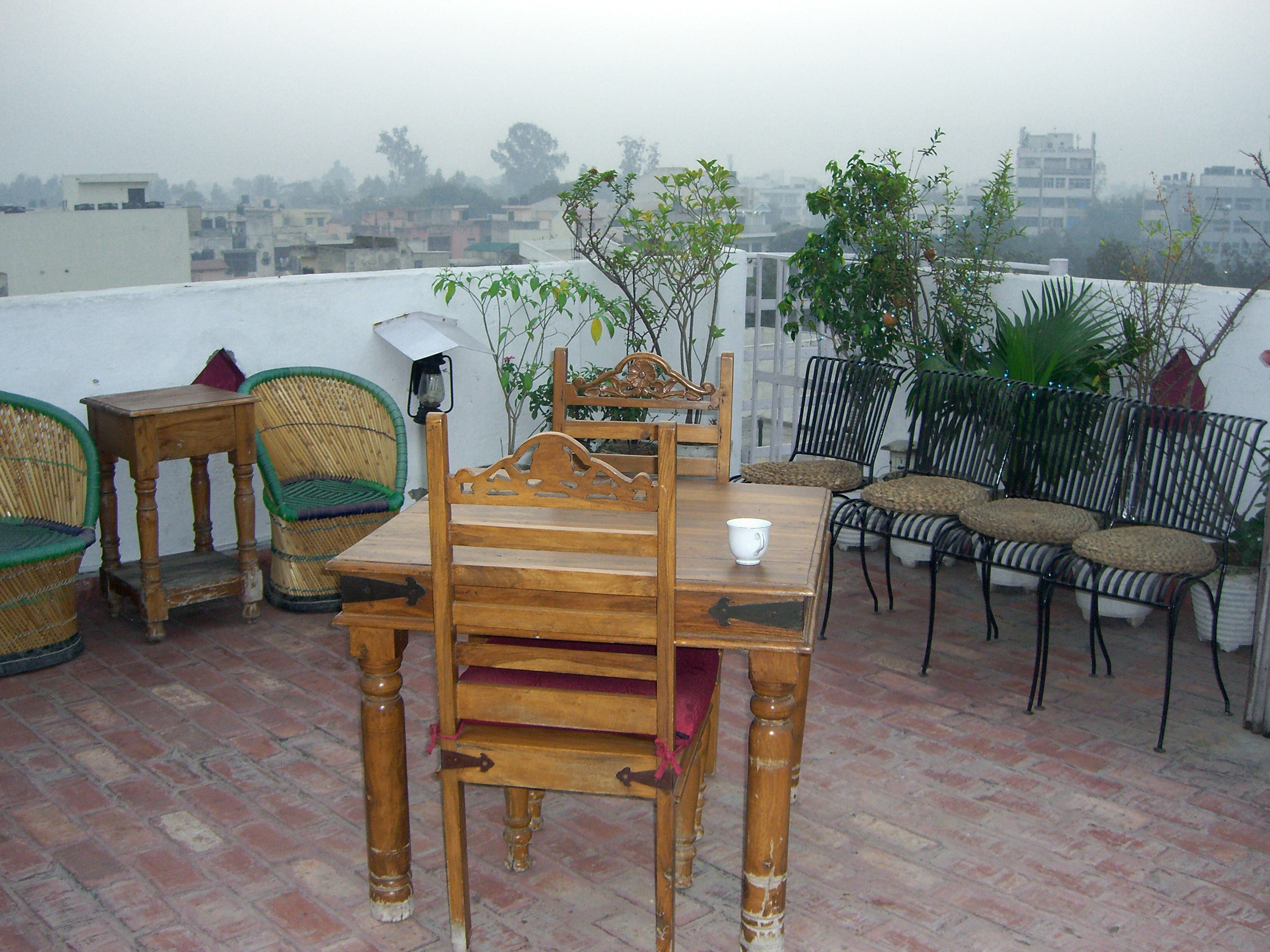
We had a brief breakfast of rolls, jam, fruit juice and tea on the rooftop terrace which affords a 360 degree view of smog-infested Delhi.  The orange-pink sun was beginning to rise, slowly, hesitantly above the great masses of people and buildings which make up this immense, chaotic city. 

“Come on, hurry up, Dad!” I told him impatiently.  Our driver for the day was waiting downstairs and we had to try to get out of Delhi as soon as possible, if that is even possible.   We had big plans for our last day of driving to Agra, the home of one of the most beloved, sought after sites in the world:  The Taj Mahal.  I couldn’t wait to go.  I’d always dreamed of seeing it in person and here was our chance.  Our flight didn’t leave from Delhi until one in the morning so we had the entire day.  We were told that Agra is about 124 miles south of Delhi so if traffic is alright, the drive usually takes around 2-3 hours, or 4 hours tops.  That was doable in one day, right, I reassured myself.  The flight attendants do it, or at least that is what they told me on the flight over from Chicago.  It is easy.  A no-brainer. We had all day, right.  No worries.

We set off at ten past eight into the throngs of traffic and all the craziness that driving in India has to offer.  We had an excellent driver, I reminded myself.  One of the best assured the hotel.  I marveled once again at how on earth people get around in such madness.  Cars, trucks, motorbikes, people, buses were all clogging the road well past capacity.  I sat back in my vinyl seat with my seatbelt buckled tightly and watched the world go by.  Entire families on motorbikes, with the sari-wearing women sitting precariously sideways on the bike, while holding her infant to her chest.  Twenty or more people crammed in like sardines into those funny looking three-wheeled carts that acted as a sort of taxi system throughout India.  People stacked inside, on top of and holding on to the sides, of over-packed ancient looking, pollution-infested buses.   Cows and water buffalos lounging in the middle or side of the street, munching on garbage.  Camels pulling huge wagons stacked high and bursting out the sides with some kind of enormous leaves.  Then, the people….EVERYWHERE.  A sea of black hair and brightly colored saris in glimmering gold, magnetic red, and pumpkin-colored orange.  The problem was how did it all work?  How were not hundreds of people killed daily on these roads?  I clung tightly to the door handle at every turn, worried we were about to take some unknown Indian out.  It was frightening as hell.  No wonder you must have a driver in India!  You would have to be completely insane to drive in such a place!   

The driver informed us that there were three things that made a good driver in India: 

  1.  The Horn:  Is used non-stop the entire way.  Talk about a major headache. 
  2. The Lights:  Used to flash people to warn them to get the “f” out of the way!
  3. Luck:  Probably the most important thing of all in a city of over 14 million in which traffic has no rhyme or reason whatsoever.

After an hour or so of this crazy, chaotic driving I casually asked the driver when we would get out of the city and on the highway.  He looked at me with a bemused look on his face and said, “What do you mean, Miss?  This is the highway”.  I nearly died.  How silly I felt.  I had been picturing a nice, relaxing peaceful drive into the countryside, where I could see the real India.   That was when I corrected myself.  This is the real India. 

It took me awhile to calm down and try to enjoy the ride as best as I could.  The problem was I had to use the restroom which although is a basic human need, there seems to be a real problem in India and Nepal in finding any public toilets.  I told the driver that I needed to find a bathroom and asked how far.  He said sincerely, “Things are different here in India.  It will take me at least another hour to find a place that is acceptable to you.  Can you wait that long”?  I had no choice.  I had to wait.  I secretly cursed myself for drinking so much coffee and juice before I left.

Uncomfortable, I sat back and tried once again to relax but this time with an incredibly full bladder.  Given the high volume of traffic on the road and the constant stopping and waiting due to congestion, I noticed that there was not a lot of space between other vehicles.  If my window was down, I could touch the person next to me.  This lack of personal space was something I was not accustomed to.  But even worse than my violation of space were the hard, unblinking stares that invaded the depths of my soul.  I tried to figure out why they were staring.  Not a few but all of them.  Children, Men, Women, Young, Old, them all.  Why were they staring at us?  Then, like a sudden surprise, I realized they weren’t staring at the driver or my dad.  They were staring at ME.  Ah-Ha….I gasped.  It was my hair!  My long, blond hair.  They were staring at me with those huge, wide-eye looks of shock and surprise.  Perhaps they had never seen a woman with blond hair.  I found that hard to believe.  Don’t they have TV?  Aren’t there tourists here? 

At first, I didn’t mind the looks and stares.  I thought it was funny.  But then after hour upon hour of countless, endless stares, it started to truly bother me.  I felt like a leper.  A pariah.  A freak.  It was a terrible feeling.  Like you were walking down the street naked.  And worse of all, I could not escape.  I was trapped in that car for hours, faced with those endless, wide-eyed stares.  I felt so uncomfortable I wanted to cry.  So I finally showed my pillow over my head and laid back, trying to hid my blond locks.  But it didn’t work.  My dad said that they still stared, non-stop, for hours.

The attention reminded me of many years ago, when I was a shy, honey-blond, blue-eyed six year old girl on her first trip to rural Mexico.  As soon as I got out of the car and stepped foot inside the village, I was surrounded and swarmed by screaming Mexican children, chasing me to touch my “angelic” hair.  I was horrified and hid behind my father’s legs.  The same experience happened again fifteen years later in Italy when my blond-haired friend and I were literally chased down the street in Bari by a horde of young Italian men, laughing and cat-calling us the entire way.  Not a pleasant feeling, that is for sure.  I was surprised to get this type of behavior in India because it never once happened in Nepal.  I felt trapped inside the confines of the car and hated every minute of it. 

The hour passed slowly and I thought my bladder was going to burst.  After much begging, the driver finally brought us into a small, decrepit looking gas station.  There were no other cars there.  I got out, and immediately felt the hard, cold stares watching me move.  Where is the bathroom? I asked desperately, almost in tears.  Around back, they answered.  Here is the key.

I went around the back of the station, unlocked the dirty door and there was the familiar squat toilet surrounded by flies and stink.  So, if this was an acceptable bathroom, I thought, what do the unacceptable ones look like?  I didn’t want to know.

I got back into the car and realized it was already eleven o’clock.  We had been driving for almost three hours and apparently we weren’t even close yet.  I sure hoped the Taj Mahal was worth it!  Finally, when all patience was ending and our tummies were growling, we arrived in Agra.  It wasn’t at all what I expected.  I was thinking it would be a lovely, historical city.  Perhaps a bit more peaceful than Delhi.  What I should have known by now is that there is no peace in Indian cities.  To my disappointment Agra was just another dirty, chaotic, overpopulated, annoying big town. 

Before meeting our guide for the highly anticipated, long awaited tour of the Taj Mahal, our driver brought us to the restaurant where we would be having lunch.  I should have known that it wouldn’t be good by the parking lot.  There were no cars there.  Just an old, rusty bus full of tourists remained.   The driver dropped us off and told us to take an hour for lunch.  Meanwhile the bus packed with tourists left.  We walked in to the restaurant and saw large table after table, empty.  The lights were off.  It was dark inside.  There were four bored waiters standing over in the corner.  They told us to sit anywhere we want and handed us a menu.  I didn’t like the look of the place and was highly skeptical about the cleanliness of the food.  But there was nowhere else to eat and we were starving.

I ordered the good old standby, Chicken Curry with rice and my father took an unwise chance and ordered a chicken sandwich.  The food came twenty minutes later, still not another soul in the restaurant.  I scooped up a big heaping of rice and put it on my place.  Famished, I dug my spoon into the chicken curry and nearly passed out.  The chicken leg was about the size of my pinky!  Scrawny, wispy and in my book, inedible.  Oh lord, I though.  But I was so hungry.  I decided to leave the pencil-thin, undernourished chicken leg in the bowl and opted to just pour the curry over my rice.  It was greasy and spicy.  I prayed I wouldn’t get sick.  If I did, where on earth would I ever find a bathroom!  Now was not the time to get the infamous Delhi belly, that’s for sure.

After lunch, we met our tour guide, a local Indian-certified tourist guide from Agra who wore a long, white linen shirt and pants, an odd choice given the heat and dirt.  His hair was slicked back with oil and he had an air of superiority in him.  His English was good but at times I didn’t understand him and he seemed rushed, always looking at his watch. 

We entered the gardens of the Taj Mahal, which were littered with trash and had few flowers.  There were people everywhere but not the people I expected to find.  Instead of the loads of camera-clad tourists, they were Indians themselves.  Families, couples, friends, you name it.  Surprised, I asked the guide “where are all the tourists”?  He told me it was a national holiday in India and most Indians chose to spend it together, sightseeing.  The Taj Mahal is just as important to Indians as it is to us.  Perhaps even more important. 

To my dismay, I wasn’t able to blend in or escape the continual stares at my blond hair.  I put on a baseball cap and pulled my hair back in a ponytail, but it didn’t stop the looks.  Oh well.  When in Rome, right?  I decided it was time to just deal with it. 

Was it worth it?  All the swarms of people, crowds, continual stares, crappy food, disgusting toilets, and four hour car ride to Agra?  Yes.  Yes it was.  When I first saw the Taj Mahal, I was taken aback by it’s majestic beauty.  It took my breath away.  To see such an incredibly, spectacular sparkling white work of art in all the dirtiness of India was a surprise in itself.  The sheer beauty of the Taj Mahal did not disappoint.  It was simply incredible and made my heart melt.  We snapped some pictures and walked around, admiring the inside and out.  We learned about the romantic history of the building and how it took over twenty years and thousands of workers and artisans to build.  It was amazing, especially given the time period in which it was built:  The early 1600’s.  It was a major feat of architecture and remains one of the most impressive sites I’ve ever seen. 

So, yes it was worth it.  However, the ride back was hell.  Five, long, miserable, stare-filled hours of agony.  We didn’t reach the Delhi airport until 8:30 PM and were dirty, tired, stressed out and burned out.  But, we were back in modernity once again and clean bathrooms and real food (or so we thought).  It was time for some wine and celebration before boarding our 15-hour flight home to the States.  It was quite a day, that’s for sure.  One I’ll never forget.

The drive from hell….scenes from the road:

Invasion of space:

A family of four:

Finally, the breathtaking reward:

Was it worth 9 hours driving in chaos?  YES!  Perhaps the journey there was the thing I’ll never forget, however:

The queue to get inside:  Notice the lack of blondes!

Our last glance before we left:

Our guide Hari in Nepal told us a funny acronym:

NEPAL = Never-Ending Peace and Love

INDIA = I Never Do it Again

But I know I will!

India TRAVEL BY REGION

The Thin Blanket

As we descended through the wispy, powdery grayish white clouds, I was confused.  It was raining.  Or at least I thought it was raining.  But it had to be!  Why else was everything so dark like dawn.  It was eleven o’clock in the morning so the darkish gray-blue sky did not coincide with the time.  Yet there was not a drop of rain to be seen sliding down the thick plane windows nor was it predicted to rain.  Instead, to my shock and disgust I realized what I was seeing was something today different.  It was pollution.  Not just any pollution, but serious, climate-changing pollution.  The stuff I’ve read about in the paper, in books,  and online.  Like Al Gore’s recent documentary, An Inconvenient Truth.   

As we descended I saw with horror the thin blanket of smog which smothered, choked and strangled the city of Delhi like a silent murderer.   I was speechless.  I had never seen anything like it before.  Not even the low-hanging smog on LA could compare to the blanket of death in Delhi.  A city of 14 million people and rising, Delhi is jammed packed into an urban area with a total density of 9,340 people per square kilometer.  Unfortunately, the urban population continues to rise, mainly due to the migration of rural Indians to the capital in search of a better life.  It is projected that the population of Delhi will increase 40% by 2021.  This will create even more stress on an already stressed city.  There will be a tremendous need for more and better infrastructure, pollution control, sanitation, living quarters and jobs.  After spending a few days in Delhi already, all I can imagine is that if the projections are true, it will be complete madness!   I have never been to a city so chaotic, over-populated and extreme as Delhi.  Every square foot of the city was occupied by rows and rows of people, cows, cars, buses, three-wheeled carts, motorbikes, vendors, stores, buildings, and garbage.  Garbage piled high, everywhere, dumped on the street, into the river and alongside buildings.  For someone accustomed to a clean, green, beautiful city, I was completely shocked by the sanitation situation in India.  Yet no one else seemed to notice or care.  It is a fact of life.  Garbage cans and trucks simply don’t exist in India.  Or at least not enough of them!

I marveled at the fact that I was truly inside the heart and soul of a rapidly, developing country, the roaring, Asian Tiger, in all her glory, where things seem to change or not change in the blink of an eye.  It was startling and left me thinking for a long time after about the impacts this rapid fire development will have on India and the world as time goes by. 

As we drove to our hotel, once again, I was flabbergasted by the intense, chaotic madness of getting around in India.  There were overstuffed cars, packed like sardines buses, crazy three-wheeled carts jam-packed with god knows how many people, motorbikes carrying entire families, and animals in the middle of the street (mainly cows which are sacred in India….how ironic!).  It amazed me that anyone can get anywhere in India.  There is no rhyme or reason to the movement of traffic.  No real stoplight or signs at the intersections.  Just honking horns screaming like a crying child desperately wanting to be heard, and near-fatal crashes miraculously being somehow avoided.  The people, too, were everywhere.  Everywhere you looked, there were people.  It felt claustrophobic in a sense and made me realize how small my life really is in the spectrum of things.  I’m just one person out of billions.

Finally we arrived at our hotel, exhausted with the stressful drive yet thankful we had a good driver (essential in India) who didn’t take anyone out along the way.  I certainly didn’t want that on my conscience!  I’d never sleep again!

We were back to the same hotel we stayed at the first night we arrived in India before heading off to Nepal for our trek.  It still felt luxurious especially after everything we’d seen and experienced for the last two weeks.  Yet the sharp contrast between haves and have-nots burned in my soul and made me feel sad. 

We ate once again on the roof-top deck of our hotel, a delicious, scrupulous meal of Chicken Tika with fresh raita sauce, my favorite, and naan bread.  We sipped wine, ate well and slept in our warm and cozy beds.  Yet just outside my window lived the homeless, the many people not as fortunate as us who were living on the street in tents.  I felt so incredibly sad and guilty that all I wanted to do was leave.  I tossed and turned for hours that night, wondering why things are the way they are, and feeling blessed that I was able to see the things I’ve seen.  For this is reality for most of the world.  This is life.

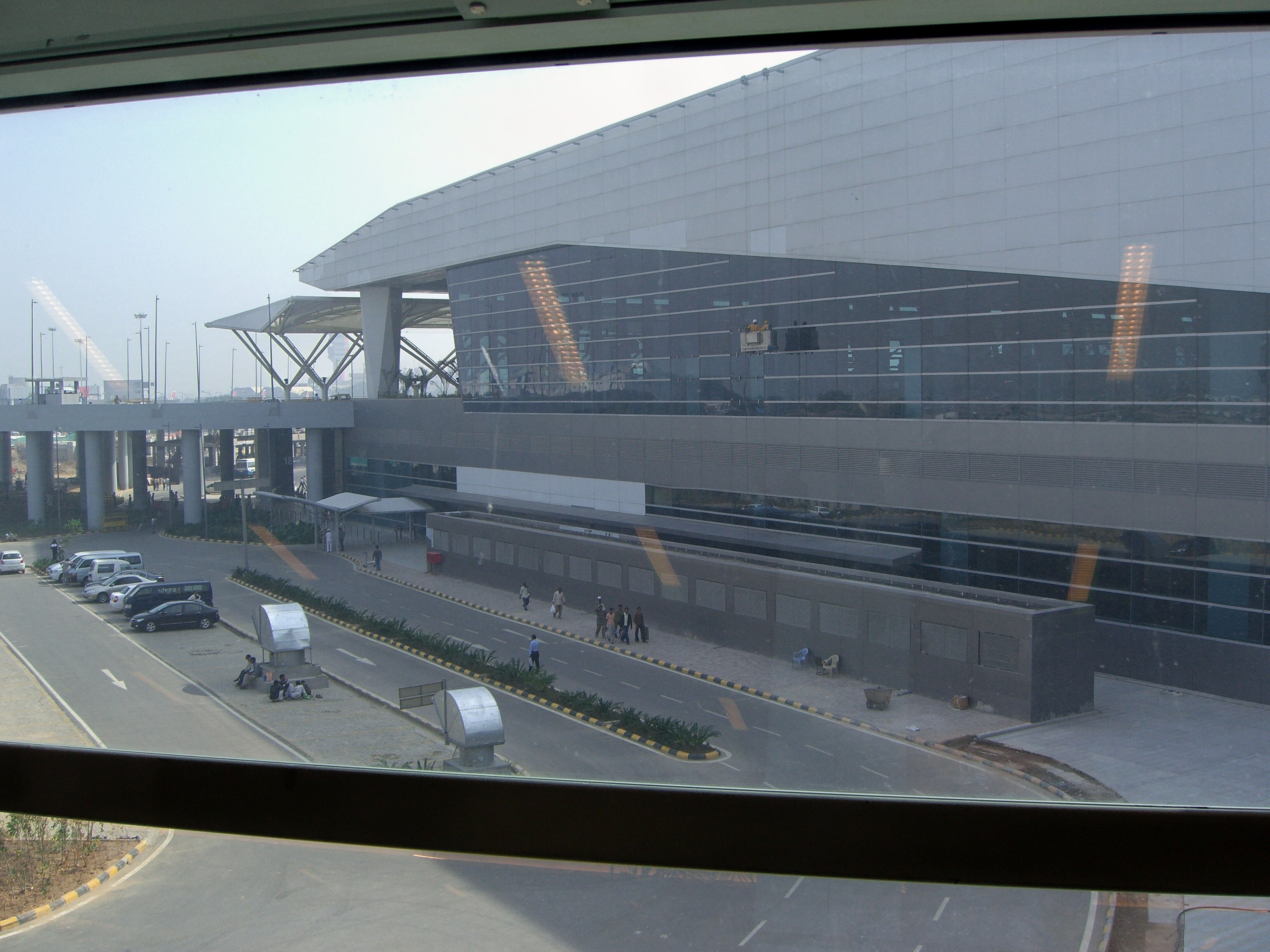
The brand new, state-of-the-art airport in Delhi , where you see turbaned security guards cruising around on Segways (modernity juxtaposed to poverty:


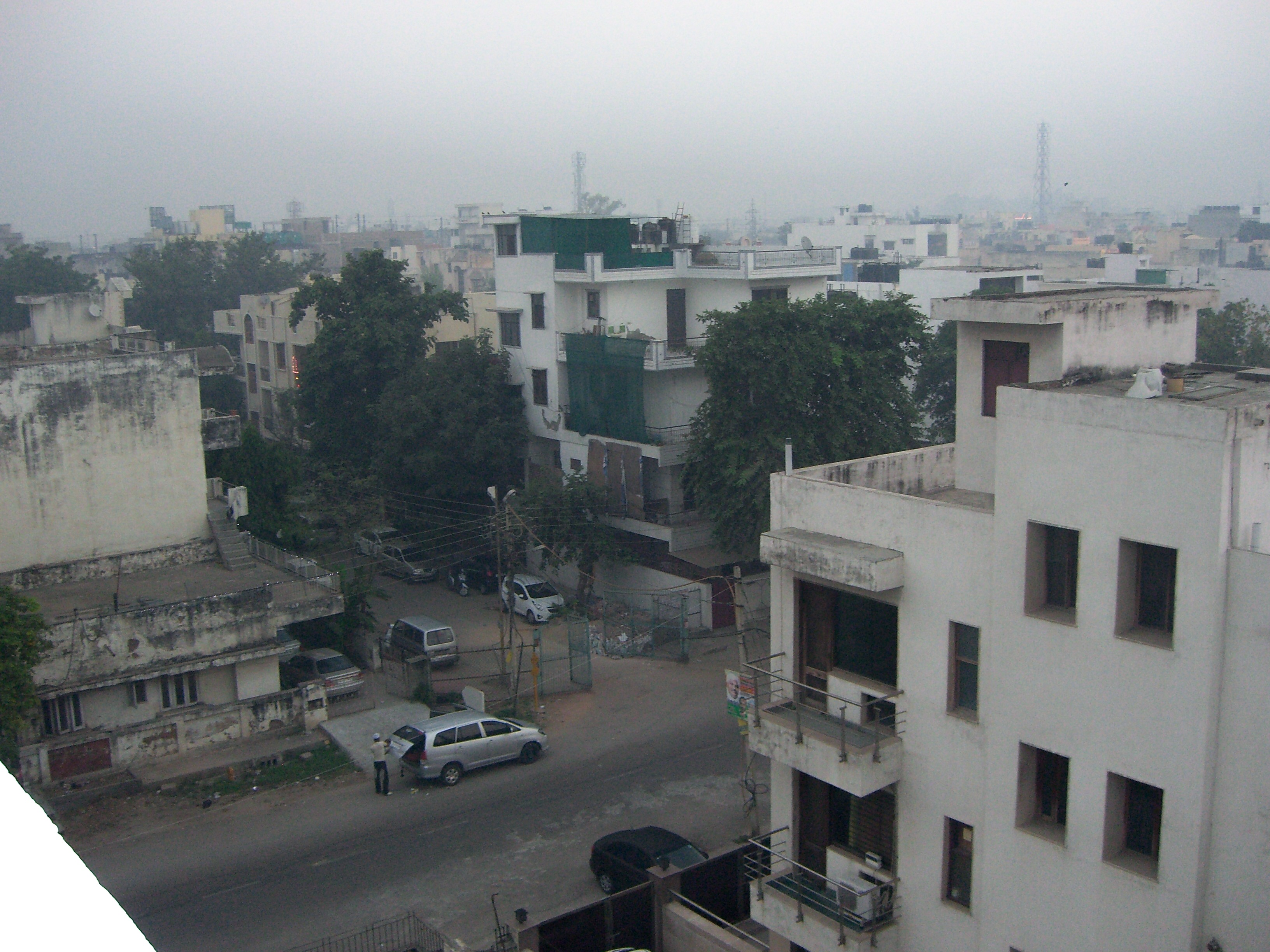
Late afternoon in Delhi—it is not raining.  It is pollution:

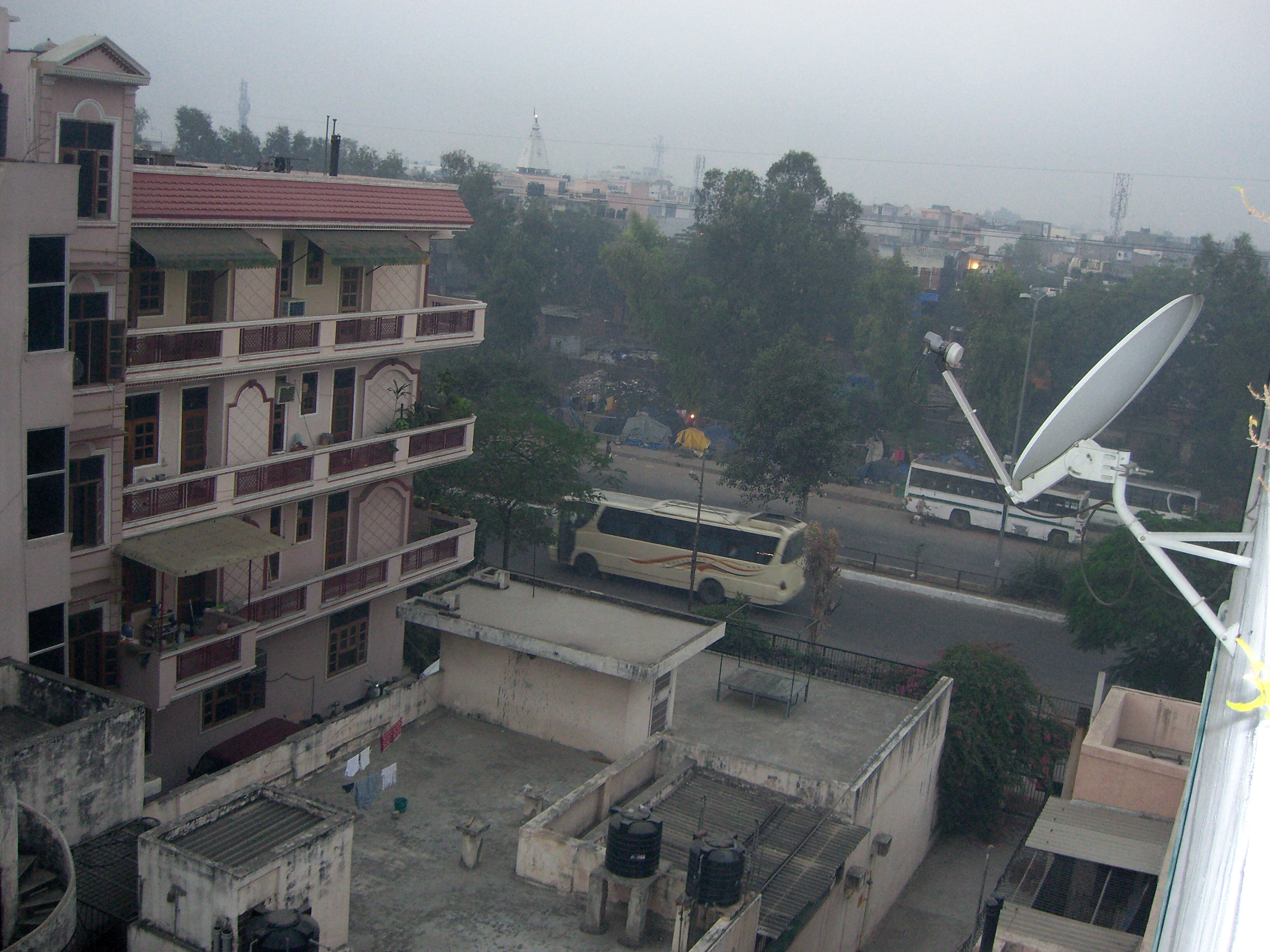
Impossible to ever forget….those who are not so fortunate (street view of homeless outside our hotel):

Sunrise and breakfast on rooftop deck.  Another day with the thin blanket:

Sunrise in Delhi….where is the sun?

Yet, the Tiger continues to roar…….

India TRAVEL BY REGION

Little things can have big results: READ Nepal

As our jet plane took off and climbed five thousand, ten thousand and then eighteen thousand feet, I realized in awe that only a few days ago I had been at almost the same altitude as the plane.  It was a wild thought.  Almost a little frightening.  

As I looked down, out the airplane windows, I finally was able to conceptualize how high 18,000 feet truly is.   The buildings became smaller and smaller, the cars like ants lining the roads.  The vastness of the green, voluptuous rice fields stacked one on top of the other, bursting in color and life.  Then, for the last time, I saw the godlike, mighty Himalayas, strikingly beautiful, like a mirage of flying towers soaring upwards into the heavens of the sky.  I had to pinch myself to believe that I was really here and had really been there.  It was all like a dream.

Months before I left for Nepal, I made a decision that I no longer wanted to be simply a tourist that visited a country, enriched myself in all its culture and beauty, and left nothing in return, no gift behind.  My new way of thinking all began on a recent trip I made which was different from anything else I’d ever done:  A volunteer trip to work in Costa Rica.  Although I was only there for one week, the impact volunteering made on my life and the people I helped during that short time led me to believe strongly that you must give back.  You receive a gift when you travel, and it is important to give one back.

I wracked my brain for different ways I could raise money.  I knew that I wanted to donate money to a non-profit organization that focuses on education in Nepal.  After reading several inspirational books on education in poverty-stricken lands (Two Cups of Tea, Stones into Schools, Half the Sky), I knew that this was the area to attack.  I searched Lonely Planet who has an excellent listing of non-profit organizations as well as volunteer opportunities, and found just the organization I was looking for:  READ Nepal. 

READ Nepal is part of READ Global (http://www.readglobal.org/).  Here is a summary of what they do:

READ Global pioneered the concept of sustainability as an international development organization dedicated to combining education and private enterprise to make rural communities viable places to learn, build, and prosper. READ partners with rural communities to create, sustain and grow projects in a manner that is politically and culturally appropriate.  READ has helped establish forty nine Community Library and Resource Centers paired with for-profit enterprises throughout Nepal and India that serve over a half million people annually and has also recently opened up a center in Bhutan.   

Finding the right organization was the easy part.  The hard part was figuring out how a “thirdeyemom” could raise the money.  A mom, who had voluntarily left the workplace to raise her two young children (aka a mom with no income).  Of course we could just write a check out of our own money but that didn’t feel right.  I wanted to earn the money.  Furthermore, I wanted to involve my children in the process so they could learn the importance of giving back.   

 That was where my creative thinking came into play.  It was summer in Minnesota—-a time to be outdoors, out of our long winter’s hibernation, and back into the world again enjoying our 10,000+ lakes, beautiful parks and nature.  There was no school for the children.  Thus opportunities lurked.  Why not host a “babysitting extravaganza” all in the name of charity, at my house?  I sent out the email to my group of trusted friends with small children.  Parents who knew what I was doing and who also wanted a break.  I set up three Friday morning playgroups with ten children each ages 5 and under (yes I’m crazy), with a suggested donation of $10 per child.  A pretty good deal when you consider it usually costs at least $10 per hour for a sitter.  It worked great (except for the huge mess I had to clean up afterwards).  I was able to raise almost $300, which was only $200 shy of my initial goal of raising $500 for READ Nepal.  Hurrah!

After the initial joy of raising the money, I realized that I still had to figure out how I would earn the rest.  That was when I came up with the idea of having a “lemonade sale” on the corner of our street.  This may sound funny to people who don’t live in the United States but it is one of the trademark events of childhood.  Every American child at some time in their life have a lemonade stand in which passing people stop to purchase an ice-cold glass of lemonade on a hot summer day.  It is a tradition.  So why not do one for charity?  I made four pitchers of ice cold lemonade, some handmade signs and we set up shop on the corner of our street with hopes of staying until we sold it all.  Unfortunately sales were very slow despite the singing, shouting and jumping up and down of my 4 year-old blond-haired daughter.  My six-year-old son quickly became bored.  After making a disappointing $25 we closed the stand and drank the remainder of the lemonade.  Not such a great idea after all.

Summer was quickly ending and my trip to Nepal was rapidly approaching.  I was well short of my goal but didn’t give up.  My last ditch effort was the all-American yard sale.  Again, for those not familiar with the American “Garage Sale” or “yard sale”, let me explain.  Basically you go through all your closets, boxes, and drawers and gather up all the stuff you don’t need or use anymore, and place it in a pile.  You meticulously go through each item, one by one and put a ridiculously low price on the item.  Then you haul all the items outside either to your garage or your yard, place up a few advertisements (aka homemade signs) around town, and wait.  Believe it or not, people go absolutely NUTS about garage sales.  They are out at the crack of dawn, sneaking around like cats trying to get the best deal they possibly can.  Before I had even set up all my tables of stuff, they were knocking on my door trying to get a deal.  It was pathetic in a sense.  My large sign said “all proceeds are being donated to charity” yet people still tried to weasel down the price.  Go figure!  After three hours, the sales piled in and my old “junk” was packed away in other people’s cars, to be used or stored in their house.  The garage sale wound up being a huge success and brought my total up to $550, well past my goal!    
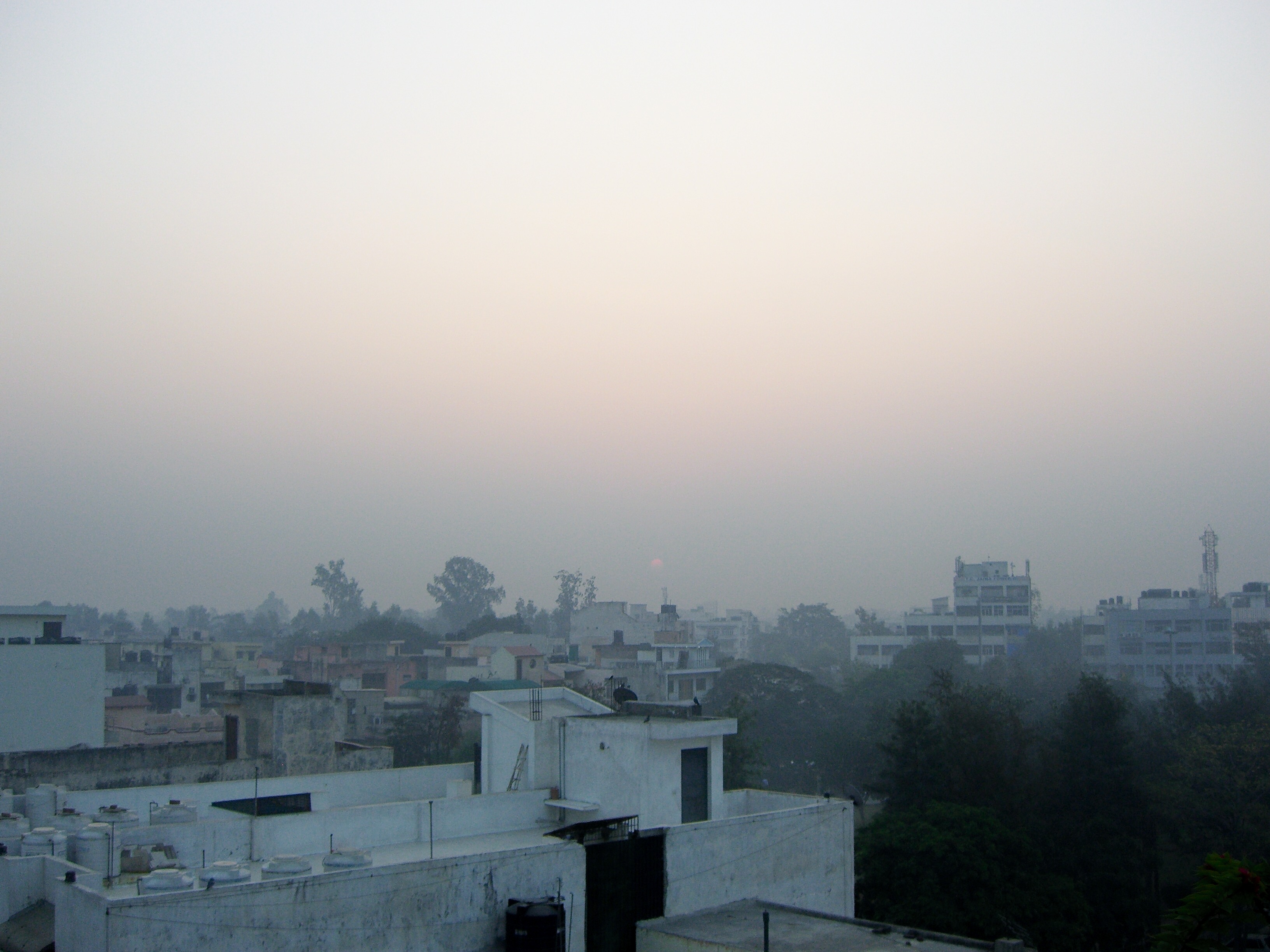
Exhausted, I cleaned up the remaining items and my husband packed everything up to donate to a local charity.  I had met my goal and felt proud.  But little did I know there were others (friends, family, neighbors, etc) who noticed my effort and contributed to the cause.  The money raised eventually made it to $2,000 which was matched by my husband’s employer, bringing the total donation to READ Nepal up to $4,000!  Wow, just like that a small idea ended up being a big help.  The funds were donated a week before I boarded the plane to Kathmandu.  READ Nepal was delighted with the donation and informed me that the money would be more than enough to open up an entire library and reading center in rural Nepal.    The gift was given and I realized that it is the things you do for others in life that make you feel the best.  

The beautiful smile of a young child in rural Nepal:


Global Issues Global Non-Profit Organizations and Social Good Enterprises Nepal SOCIAL GOOD TRAVEL BY REGION