
Responsible Travel Tips to Reduce Your Impact
As global tourism continues to surge, the choices travelers make matter more than ever. From reducing carbon emissions and cutting waste to supporting local businesses and protecting natural and cultural heritage, every trip is an opportunity to make a positive impact. Here are simple ways to travel more responsibly this summer—and beyond.
The Summer travel season is now in full swing with millions of Americans hitting the roads, whether it be to experience a beloved family road trip, explore our National Parks, embrace one of our many vibrant cities, or travel abroad. This summer has already been especially busy as the U.S. celebrated its 250th anniversary and hosted major global events, including the FIFA World Cup, which drew visitors from around the world.
Despite global uncertainty, rising fuel costs, tight budgets, and record-breaking heat and wildfire smoke, people are traveling in record numbers, underscoring the urgent need to reduce tourism’s growing climate impact through more responsible travel.
“Summer is when millions of people head out to explore, making it one of the biggest opportunities to create a positive impact through travel. Every trip is filled with choices, from where you stay and eat to the tours you book and the businesses you support. Those choices directly influence local economies, cultural heritage, and the natural places we all love to visit.
The good news is that travelers don’t have to be perfect to make a difference. Choosing a locally owned restaurant, taking a community-led tour, shopping from local artisans, or visiting beyond the most crowded attractions may seem like small decisions, but when millions of travelers make them, the impact is significant. Sustainable travel isn’t about doing everything differently. It’s about making thoughtful choices that help ensure the places we love continue to thrive for generations to come.” –Jessica Flores, Chieff Experience Officer, Tourism Cares
As travelers, our decisions can have an enormous impact on the future of our planet. After years of working in sustainable travel, here are a few additional tips to make your adventures more sustainable.

1. Slow Down and Travel More Deeply
Embrace Slow Travel. Travel less and experience more. Instead of rushing through a place trying to see as much as possible, slow down and visit maybe one or two places and get to know it well. Not only will your experience be more relaxed and fulfilling, the place you are visiting will also benefit more from your stay.
For more tips, read this article featured on GLP Films or check out AFAR’s 20 Thoughtful Trips to Slow Travel. For more inspiration, check out our video which illustrates the idea behind slow travel and how it works. Slow Travel and Immersive Experiences in the Finger Lakes.

Even today in parts of rural Panama, there are no bridges, and you have to walk through the river to get to the other side
2. Skip the Crowds and Explore Lesser-Known Destinations
Visit off-the-beaten-path destinations or smaller, lesser-known regions to help reduce overtourism. We’ve all read the horror stories about unwanted tourists being sprayed by water guns in Barcelona or the ongoing protests in Venice over the arrival of an American superyacht or Jeff Bezos’ wedding. While these stories are all too common, many travelers do not change their mindset and continue to go to these destinations that are being loved to death.
Instead of contributing to the onslaught of problems caused by overtourism (not to mention the enormous crowds!), visit secondary cities and rural regions instead. Explore lesser-known destinations and off-the-beaten-path places. Believe me, you will have more fun and greater memories! Plus, best of all, your visit will support the local communities and help them benefit from tourism.
How to do it?
Check out this fascinating Instagram map reel that helps you skip the overtouristed spots and head to where the locals go. Learn alternatives to major overtouristed cities such as those listed in this article by National Geographic.
Want inspiration? Read these posts I wrote about under the radar places to plan your next trip.
Skip Costa Rica and go to Panama: Bamboo Rafting Through A Naso Comarca: A Journey Into Indigenous Panama
Skip the South of Iceland and instead head to the North: Iceland: Two days in Mývatn and Krafla, Iceland
Skip Peru, and go to Bolivia: Base Camp: Condoriri Valley

Lunch with a view to ourselves in the Atlas Mountains, Morocco
3. Keep Your Dollars
Local Local Local Local: Where you spend your money matters and makes an impact. It is always best to buy, stay, eat, and play at community spaces and locally. It helps prevent “tourism leakage,” meaning the money brought to the local community stays and benefits them, plus it is much more fun. Support and shop at local businesses. Use tour guides and companies. Buy food at local farmer’s markets, breweries, pizza farms, fruit and vegetable stands, and local co-ops. Go berry picking and spend the day at a vineyard. Embrace agritourism by visiting a farm and spending the night camping or glamping. Shop at local boutiques where you can support local artisans and craftmakers.
Want inspiration? Read my post “The Power of Community Tourism” or read any of my social good, culture or sustainable travel posts on my blog. They are filled with ways your travel can do good like this story: A Day Trip from Cusco, Peru: Traditional Quechua Weaving Experience.

Lucia and Walter greet us at their home
4. Explore Nature Responsibly
Try something new to explore the outdoors. Many of the best travel experiences are outdoors, and are often free. This summer, take a mindful approach to travel by trying something new or visiting a place nearby that you have never been before.
- Embrace the outdoors (a lot is free!) by biking, walking tours, hiking, paddle boarding, canoeing (check out our Rural tourism playlist, an inspiring collection of our short films at GLP Films) Check out a new regional park, forest, beach or waterway.
- Take a class led by a local nature club
- Test a new hobby such as birding or butterfly watching (there are many free apps to help you learn!) Attend free outdoor concerts and events like art fairs, art walks or do your own street art walk
5. Leave Less Behind
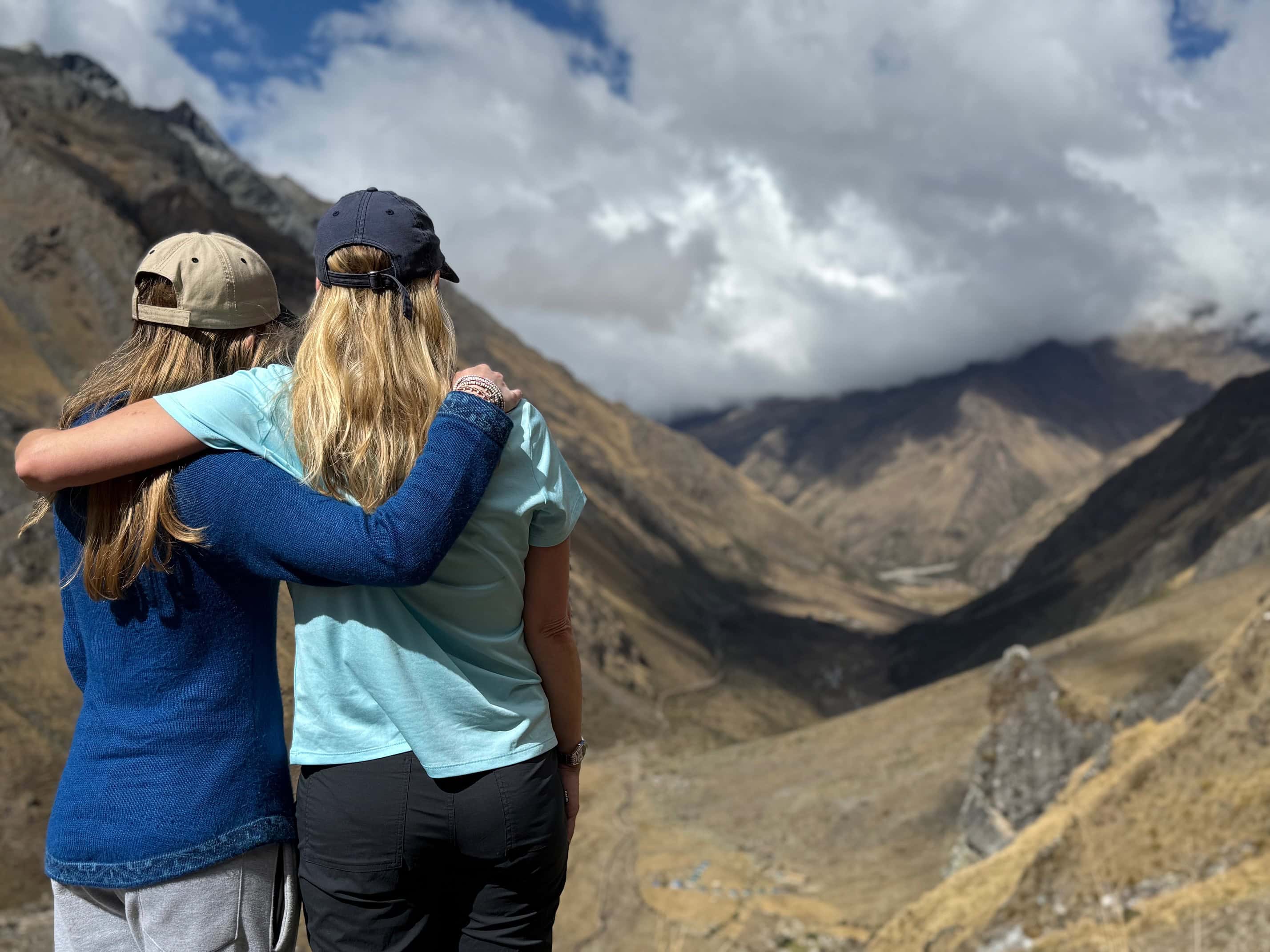
Reduce waste (plastic, water, energy, and food waste). Plastic bottle production totals 500 billion units each year (World Metrics), generating 300 million tons of waste annually. Hundreds of thousands of tons from bottles contribute to the 8 million tons of plastic that reach the oceans. How do we stop this problem? Easy! Pack reusable bottles whenever possible and if you must use a plastic bottle, recycle it. Use reusable bags (or carry a backpack so you don’t need to use a plastic bag for your purchases). At your accommodation, save water by showering for less time, and turn off the tap when doing simple things like brushing your teeth. Turn the AC and lights off when you are not in your hotel room. Shut the blinds before leaving to keep your room cool. Reuse sheets and towels. When dining out, skip plastic containers and utensils for takeaway opting to use compostable materials instead and skip the plastic straw.
When exploring the outdoors, pack out what you bring in and abide by Leave No Trace’s 7 principles of having less impact on the environment and enjoying the outdoors. While this all sounds like a no-brainer, many people forget that just making these small changes in your habits can have a big impact on our planet.
6. Travel with a Smaller Carbon Footprint
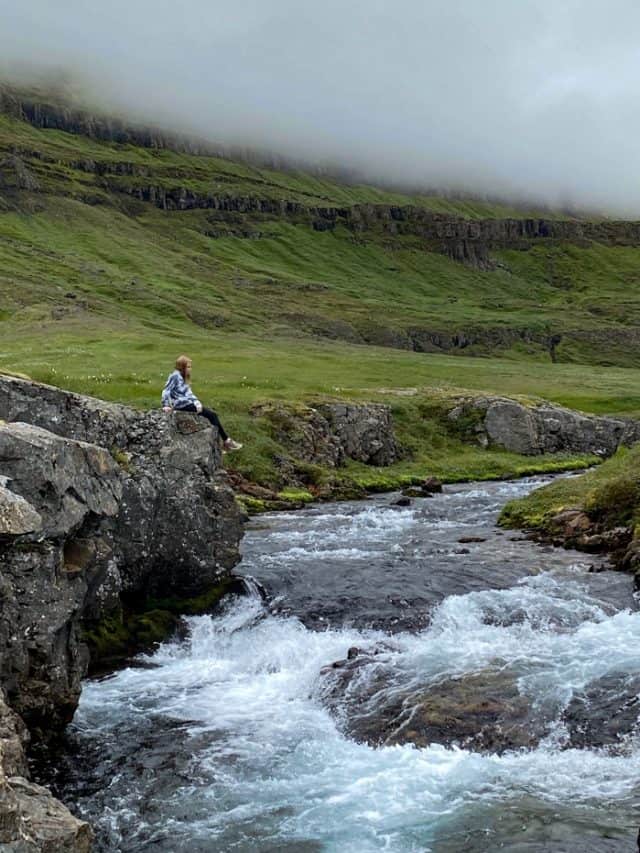
Use more environmentally-friendly ways for transportation. Walk, Bike, scooter, or use public transportation (trains, subways, buses, ferries, boats). Many cities, such as my hometown of Minneapolis, have on-demand micromobility programs offering dockless electric bikes and scooters which allows travelers to easily rent a ride and leave it behind anywhere in the city. Another great, healthy way (for both the traveler and the environment) to see a place is on foot. Join a walking tour and explore the city with the locals. Many walking tours are even free!
Choose more fuel-efficient ways to travel by taking a train or a car instead of flying or using more fuel-efficient cars for big road trips instead of gas guzzlers.
When planning your travel, check out these tips on reducing your carbon footprint from Sustainable Travel International.
Offset Remaining Emissions by researching reputable carbon offset providers. While this takes time, it is worth the effort. Here is a very insightful article of over a dozen carbon offset companies to get you started.

Photo by Hass Salum/GLP Films
7. If you choose to Cruise, Cruise More Responsibly
Per Friends of the Earth, a global network in 74 countries all working toward social and environmental justice: “Millions of Americans take cruise vacations every year. Yet, most travelers do not realize that taking a cruise is more harmful to the environment and human health than many other forms of travel”. Besides water, air and noise pollution issues, there are also issues with bringing tourism into culturally and environmentally fragile ecosystems like Antarctica which can potentially destroy the very place travelers are trying to see. And there are also the unfortunate incidences of wildlife collisions such as the heartbreaking recent cruise ship collision with an endangered pregnant fin whale in Alaska.
The global cruise industry is booming, with passenger numbers expected to reach 33.7 million this year. But this rapid growth comes with serious environmental impacts.
With an ageing population of travelers who often also face mobility issues, it is understandable that cruising is a good option. However, if you want to take a cruise, research it thoroughly and try to use a smaller ship or at least one that is not as damaging to the planet. To get you started, check out this valuable resource by Friends of the Earth which gives an environmental report card (2024) for some of the most popular cruise lines and choose wisely. Through my own research, the leader in developing more environmentally clean cruises is Norwegian-based Hurtigruten. Hurtigruten’s sustainability initiatives include offering cleaner fuels and propulsion, and a new modern and upgraded wastewater treatment on all ships (this came out after the Friends of the Earth report card thus bumping Hurtigruten up to a level that “complies with all regulations in the waters where we sail” which was confirmed with Hurtigruten.

Isla Bolaños, Chiriqui National Marine Park, Panama
8. Choose Sustainable Travel Companies
Who you book matters. Look for a travel experience that gives back or are Certified B Corporation like Intrepid, Kind Traveler, G Adventures to name a few. You can even go further by finding a travel outfitter that gives back to a cause you care about such as Intrepid’s new US National Parks tours or Women’s Expeditions, or join a marine expedition to participate in conservation with a marine field biologist with MarAlliance. Prevent food waste by staying at The Stravrand hotel, one of Kind Traveler’s hotels, where every stay gives back to a cause (or check out another hotel whose cause aligns with your beliefs).
Book with a women-led, women-run travel outfitter or experience a BIPOC tour or Indigenous tour (check out these amazing tours on Indigenous Tourism Canada
Read my list on top Sustainable Travel Companies

The women of Panauti Community Homestay
9. Use Tools That Help You Travel Better
Instead of wasting time searching the internet trying to get the information you need, use these tools that will help you plan your travels better.
Tourism Cares Sustainable Travel Map: Explore Tourism Cares’ Meaningful Travel Map, a map of meaningful travel experiences making a positive impact on the people and places you visit.
“We created the Meaningful Travel Map because travelers increasingly want to know that their visit is making a positive difference, but finding trusted, community-led experiences isn’t always easy. The Map helps connect travelers with businesses and experiences that are rooted in their communities and committed to creating positive environmental, social, and economic impact.
Whether you’re looking for a conservation experience, a cultural tour, a local social enterprise, or a family-owned business, the Meaningful Travel Map makes it easier to discover experiences that help you connect more deeply with a destination while supporting the people and places that make it special.” Jessica Flores, Tourism Cares
Calculate your carbon footprint using this online carbon calculator coolclimate.org/calculator, created by the Cool Climate Network, a university-government-business-NGO partnership at UC Berkeley.
Review Leave No Trace’s guidelines and even consider taking a free course or an advanced course to learn more.
10. Be Respectful
Follow the golden rule: Show respect. Remember you as a traveler are a guest. It is not your personal playground, but someone’s home. Every resource you consume – food, water, energy, experiences and space – is taken from a local person’s resources. Treat your time there as a respectful guest and be kind to your local hosts. Not only will you enjoy your time and experience more, you will leave making a more positive connection and contribution to the place you visited.
And remember……
“Travel is never neutral. Every journey has an impact, not only on the environment but also on the lives and livelihoods of local communities. Sustainability is not just about reducing carbon footprint or single-use plastics. Those actions matter. But there is no real sustainability without justice. The justice lens encourages us to ask who benefits from travel and tourism, who bears the costs, and what systems give rise to those inequities. It invites us to reflect on how our presence, behaviors, and choices affect the people, places, and ecosystems we encounter, and how we can travel in ways that contribute to a more just and equitable world.” Vincie Ho, Ph.D. Founder & Executive Director, RISE Travel Institute
Children in Mosebo Village, 42 k away from Bahir Dar in Ethiopia.

Travel Can Be a Force for Good
While this list is not exhaustive, hopefully it shows travelers that just doing a little bit of research before you go on your trip and making a few minor adjustments can do a lot of good and make a difference. It is important to remember too that responsible travel isn’t about being perfect. It’s about making better choices every step of the journey.
A traveler who stays local, reduces waste, respects nature and the place they are visiting (local people who live there included), supports community businesses, and chooses responsible operators can help places thrive while protecting them for future generations.
Best of all, these tips can be applied to all our travels, all the time. Not just for summer.
Know of any other good tools or resources that can help travelers travel more sustainably? Drop us a note!